
Last updated November 2, 2026
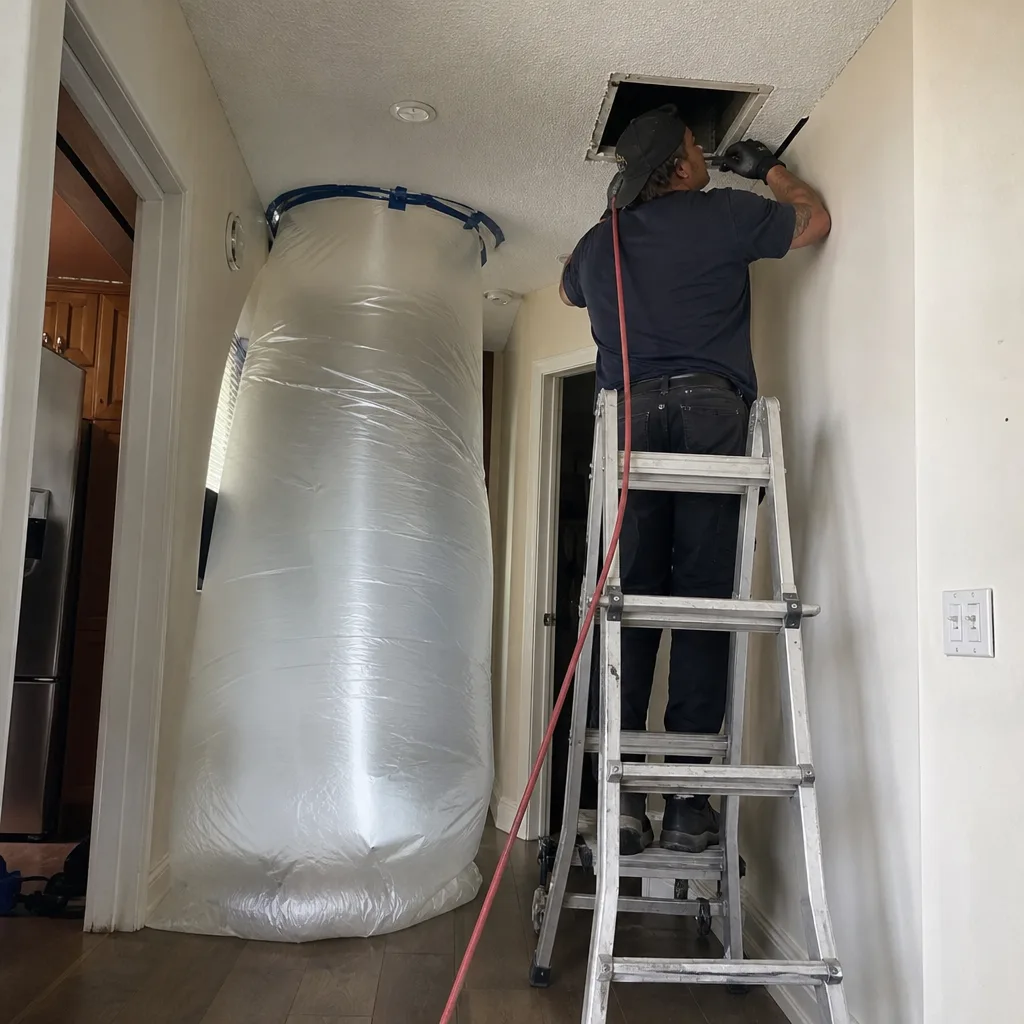
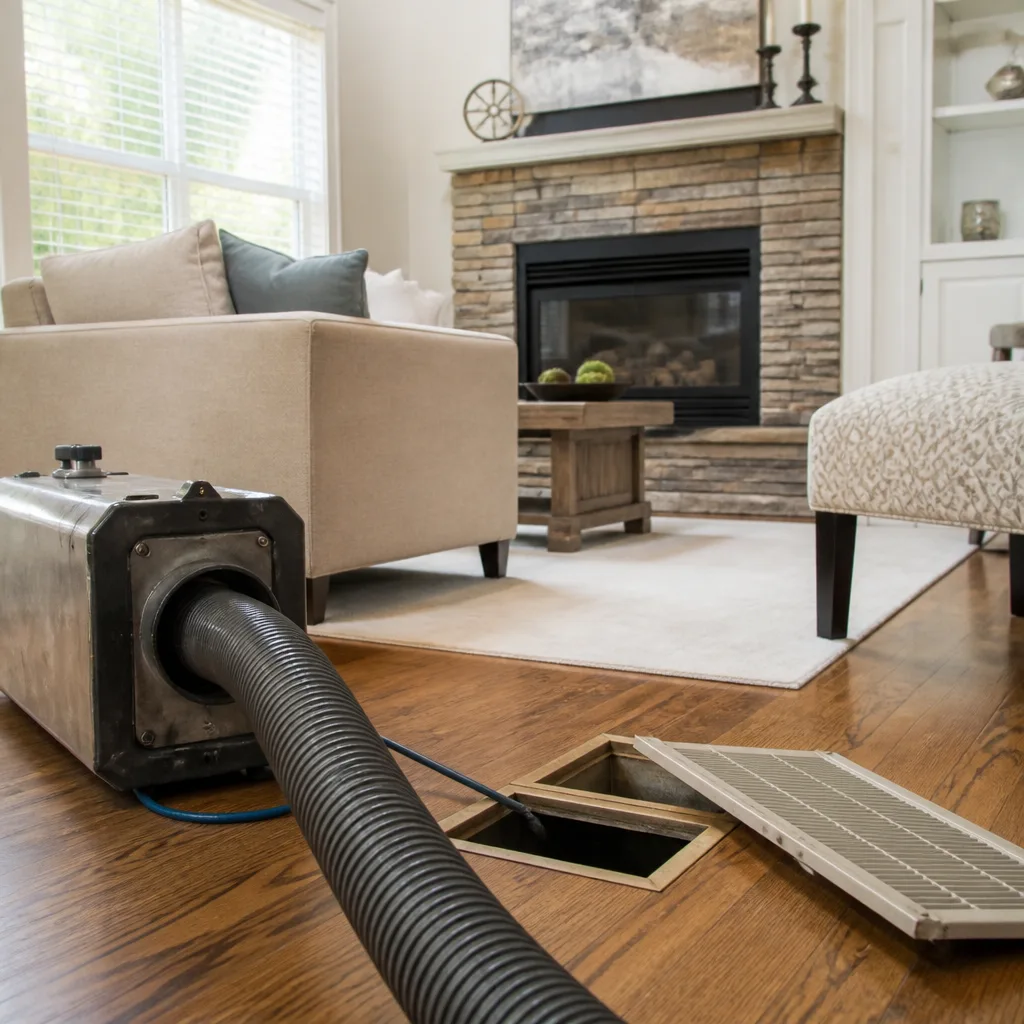 Whole-home duct cleaning
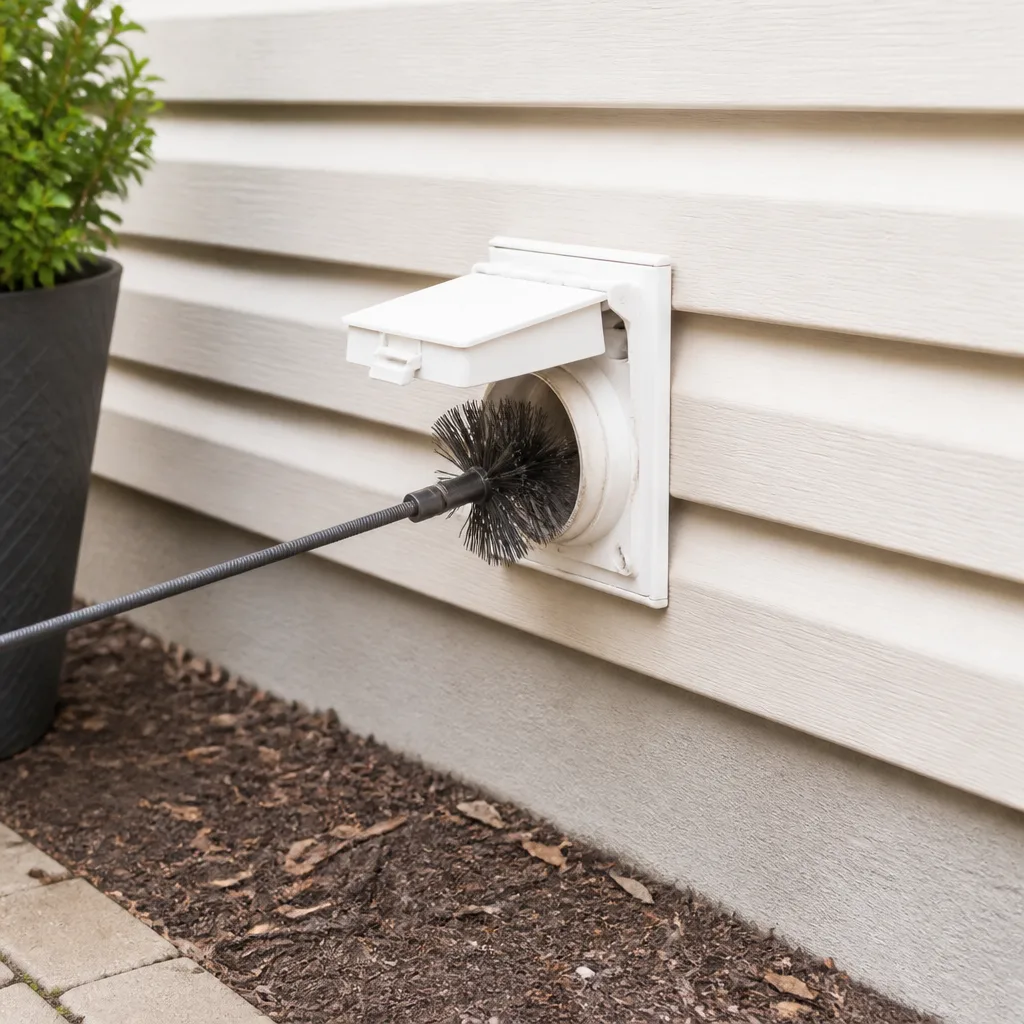 Dryer vent cleaning
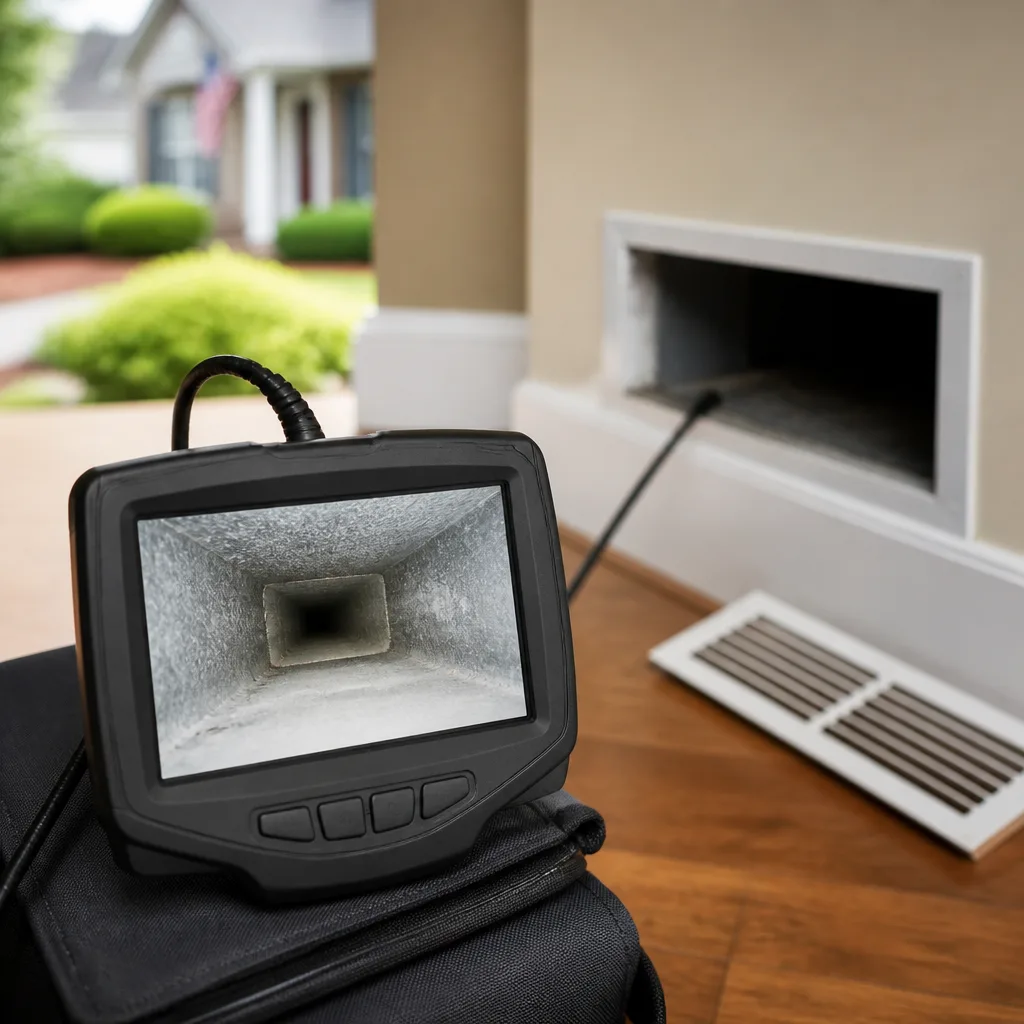 Camera inspection
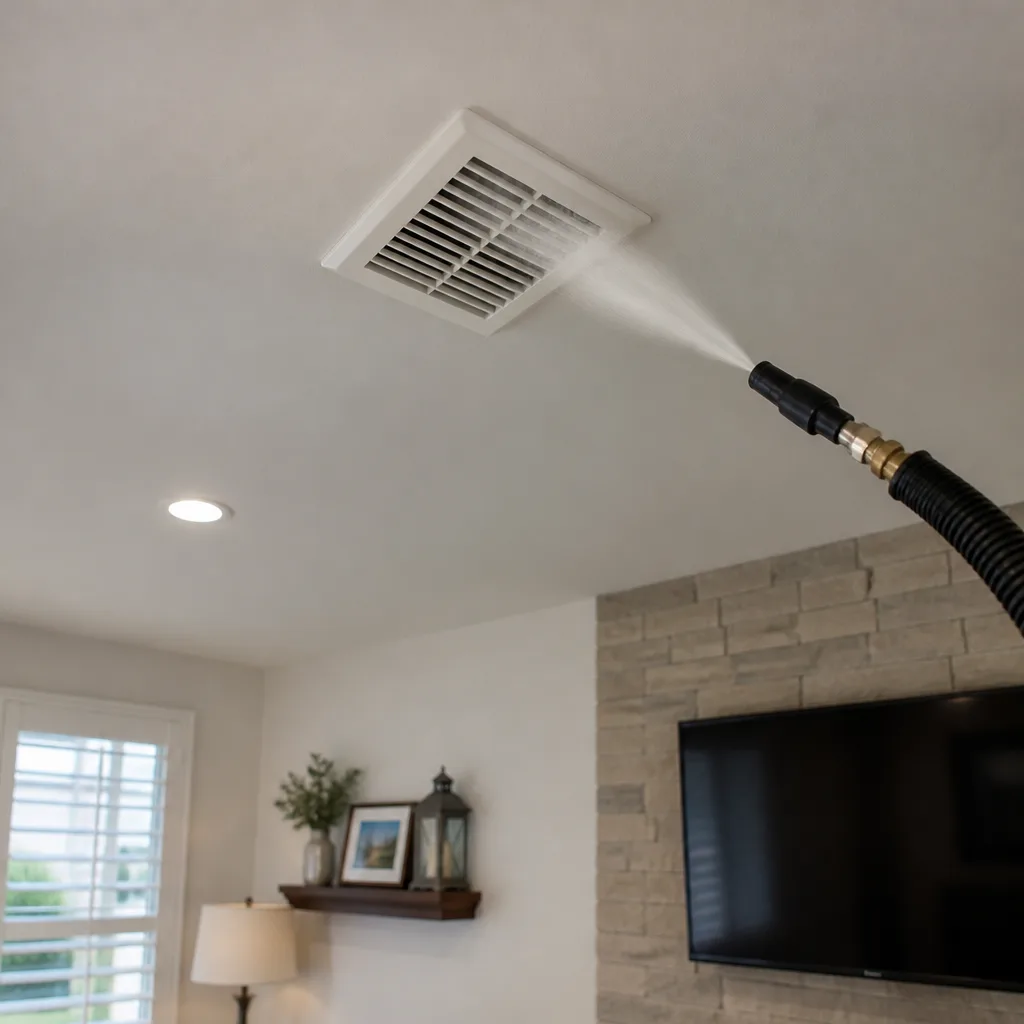 Sanitizing & deodorizing
Whole-system duct and dryer vent check with before-and-after photos - you see exactly what came out of your vents
That "$99 whole-house special" is a bait ad - the real number appears once they are in your hallway, or the "clean" is a shop-vac at the register. We photograph the inside of your ducts before and after instead.
Air Duct Cleaning Maintenance Checklist for Huntington Beach Homeowners
Changing your filter every 90 days is good advice for Phoenix. In Huntington Beach, where June Gloom can push indoor humidity past 70% for weeks, that same 90-day filter becomes a moisture trap that seeds the rest of your duct system by day 45. This guide gives you a month-by-month exterior and interior inspection routine built around our coastal calendar, not a generic national average. You will learn exactly what to look at, what to smell for, what to measure, and when a flashlight check at a supply register tells you the ducts themselves need attention, not just the return grille.
Styles & brands we work with
- Whole-home duct cleaning
- Dryer vent cleaning
- Camera inspection
- Sanitizing & deodorizing
Quick Answer
An effective air duct cleaning maintenance checklist for Huntington Beach homes combines a pre-June Gloom humidity and filter audit in May, a post-Santa Ana register and exterior vent inspection in October, and a simple monthly visual check at two or three supply registers for dust streaks, moisture staining, or flex-duct separation. Most Huntington Beach duct systems in homes built before 2000 benefit from professional cleaning every 3 to 5 years, with that interval shortening to 2 to 3 years if you live within a mile of PCH, have pets that shed heavily, or ran your HVAC continuously during wildfire-smoke events. The inspection items below cost nothing and take under ten minutes a month.
Table of Contents
- The 5-Minute Monthly Register Check
- The Huntington Beach Seasonal Duct Calendar
- Humidity Thresholds That Matter in a Coastal Climate
- The MERV Rating Audit: What Your Filter Is Actually Doing
- Flex-Duct Connection Points: The Inspection Step Every Checklist Misses
- The Dryer Vent as a Linked Maintenance Item
- How to Log Duct Condition Over Time
- Common Mistakes to Avoid
- When to Call a Professional
- Frequently Asked Questions
- The Bottom Line
The 5-Minute Monthly Register Check
Start with what you can see. A supply register is the vent that pushes conditioned air into a room. Walk to two or three of them, remove the register cover if it lifts off without tools, and look inside with a flashlight. You are looking for four things: dust streaks radiating outward on the register face, a gray or brown film on the inside wall of the duct boot, moisture staining or rust on the metal, and any gap between the duct boot and the surrounding drywall or flooring.
Dust streaks mean air is bypassing the filter and carrying particulate through the system. A brown film inside the duct wall means fine particulates have been accumulating long enough to bond with condensation, which is common in Huntington Beach homes where marine-layer air keeps duct interiors damp for weeks at a time. Moisture staining is a separate warning sign: it means condensation is forming inside the duct, which accelerates contaminant adhesion and can lead to microbial growth in the dark, cool environment of the duct run. A gap between the boot and the floor or wall is a connection failure that allows unconditioned crawlspace or wall-cavity air to enter the airstream. None of these observations requires tools beyond a flashlight and a phone camera.
Take a photo of anything that looks wrong. Date it. Compare it next month. A register that looked faintly dusty in March and shows defined streaks by May is telling you the system is actively accumulating debris, not just holding old dust. That trend data is what separates a homeowner who catches a problem early from one who discovers a decade of buildup during a remodel.
The Huntington Beach Seasonal Duct Calendar
Huntington Beach has three distinct seasonal patterns that stress ductwork in different ways, and a maintenance checklist that ignores them is checking the wrong things at the wrong time. Here is what we recommend as a month-by-month rhythm, based on the weather patterns we see every year across Surf City.
April to May: Pre-June Gloom Humidity Check
Before the marine layer settles in, do your fullest inspection of the year. Check every register, replace the HVAC filter if it has been in service more than 60 days, and run the system for 10 minutes with a window open to flush standing air from the ducts. This is also the time to verify that bathroom exhaust fans actually vent to the exterior and not into the attic, a defect we find regularly in Huntington Beach tract homes built in the 1960s and 1970s. On the Platinum Air Duct Cleaning home page you will find our full service scope, but the pre-June check is the one we tell every customer to do themselves before calling anyone.
June through August: Weekly Visual Runs
During June Gloom, humidity inside unconditioned wall cavities and attics stays high for consecutive weeks. Run the HVAC fan for 15 minutes every day even when the temperature does not call for cooling. This moves air through the ducts and reduces the standing moisture that lets dust bond to duct walls. Every week, check the two most-used supply registers for condensation on the register face. If you see beads of water on the metal, the supply air is cold enough to condense against damp indoor air, which means the register boot needs insulation or the duct run has a leak pulling in humid air.
September to October: Post-Santa Ana Soot Inspection
Santa Ana winds push fine desert dust and, in fire years, smoke particulates across Huntington Beach. After the first strong Santa Ana event of autumn, inspect the return grille and one supply register in each zone of the house. Soot from wildfire smoke is oily and does not behave like household dust; it adheres to duct walls and will not fully release with a standard filter change. If you see dark smudging that smears rather than brushes off, the ducts need professional cleaning. Our Air Duct Cleaning in Huntington Beach page explains the equipment we use to remove smoke residue, which is a different job than standard dust extraction.
November through March: Dry-Season Dust Monitoring
Winter in Huntington Beach is mild and relatively dry. Dust settles rather than bonds. This is the easiest season to see true accumulation rates at registers without condensation complicating the picture. Check monthly and record what you see. If dust returns to a visible level on a freshly cleaned register within 30 days, the filter is underperforming, the ducts are leaking, or the return path is pulling from a dusty zone like a garage or crawlspace.
Humidity Thresholds That Matter in a Coastal Climate
Huntington Beach sits in a band where indoor relative humidity regularly swings from 35% during Santa Anas to over 70% during June Gloom and winter storm fronts. Duct contamination is not just a matter of time; it is a matter of moisture. Dust that sits in a dry duct for a year may brush off a register face and never settle. Dust exposed to 70% humidity for three consecutive weeks absorbs moisture, becomes sticky, and bonds to the fiberglass or sheet-metal surface. That is the mechanism that makes Huntington Beach duct systems accumulate contamination faster than inland Orange County homes with identical filter habits.
You do not need a laboratory to track this. A $15 digital hygrometer placed near the return grille tells you the humidity level of the air entering the system. The actionable thresholds are simple. If indoor humidity stays above 60% for more than 72 consecutive hours during June Gloom, run the AC or a dehumidifier to pull moisture down, because sustained high humidity is what converts loose dust into adhered contamination. If humidity stays below 40% for a week during Santa Anas, expect fine desert dust to enter through any leak and coat the duct walls; this is when you should bump your filter change interval from 90 days to 60 days. Neither action requires a service call. Both extend the interval between professional cleanings, which is the point of a real maintenance program.
The MERV Rating Audit: What Your Filter Is Actually Doing
Most Huntington Beach homes we visit run a MERV 8 filter, because that is what the hardware store sells and it is cheap enough to replace on schedule. A MERV 8 filter captures particles in the 3 to 10 micron range: pollen, dust mites, and some mold spores. It does not capture fine smoke particulates, which are often under 1 micron, or the oily soot residue from wildfire season. If you live in a Huntington Beach neighborhood that has experienced smoke events in the last five years, which covers most of the city, the filter you run matters more than the cleaning schedule.
The checklist item is this: hold your filter up to the light every 30 days. If you can see light through it clearly, it has not loaded enough to restrict airflow, but it also means large-particle capture is the only thing happening. If you want finer capture without choking a residential system, a MERV 11 or MERV 13 filter is the practical ceiling for most homes before static pressure rises and airflow drops. Upgrading from MERV 8 to MERV 11 captures smaller smoke and soot particles, which reduces the rate at which those contaminants coat the duct interior. We also recommend pairing a higher-MERV filter with a whole-home media cabinet rather than a 1-inch filter slot, because the added surface area keeps airflow strong. Brands like Honeywell and Aprilaire make media cabinets that fit standard residential returns; this is an upgrade we install as part of broader Air Duct Repair in Huntington Beach work when a return is being replaced or resized.
Write the install date on the filter frame with a permanent marker. Every home has its own loading rate, and the date is the only reliable way to know whether 60 days in your house looks like 90 days at your neighbor’s. Photograph the dirty filter next to a fresh one. That photo set, taken over a full year, is the best record you will ever have of what is entering your ducts.
Flex-Duct Connection Points: The Inspection Step Every Checklist Misses
Nearly every online duct maintenance checklist stops at the filter and the registers. None of them tell you to look at the physical connections between duct segments, and that omission is costly in Huntington Beach, where flex duct runs through attics that bake in summer heat and swing through condensation cycles in June Gloom. Flex duct is a wire-reinforced tube wrapped in fiberglass insulation and an outer vapor barrier. Where it connects to a metal boot, a plenum, or another flex run, it is secured with a plastic zip tie or a metal band, then sealed with tape or mastic. Those connections fail.
The failure mode is predictable: heat cycles cause the vapor barrier to shrink and pull away from the boot, the zip tie loosens, and a gap opens. Conditioned air leaks into the attic, and a negative pressure zone forms inside the duct run. That negative pressure pulls attic air, which in Huntington Beach means humid marine air plus fiberglass insulation particles and decades of accumulated dust, directly into the airstream you breathe. In our experience, disconnected or partially separated flex-duct runs are the single most common defect we find during cleaning visits, and most homeowners have no idea because the system still cools the house.
You can see this yourself. In the attic, look at every point where a flex duct meets metal. The outer wrap should sit flush against the metal collar with tape or mastic over the joint. If you see a gap, exposed fiberglass, or tape that has peeled back like a lifted sticker, the connection has failed. In the rooms below, the same defect shows up as dust streaks that reappear within days of cleaning a register face. That is the tell: dust that comes back fast is being pulled from outside the system, not shed from inside it. This is not a DIY repair. The fix requires re-cutting the flex, re-seating it over the collar, re-taping, and often replacing a crushed or kinked section, which is why Air Duct Repair in Huntington Beach is one of our core services rather than a referral we hand off to another contractor.
The Dryer Vent as a Linked Maintenance Item
Your dryer vent is part of the same air-pathway system as your ducts, and in Huntington Beach’s compact-lot construction, it is a fire-safety item that deserves a spot on this checklist. Many Surf City homes built between 1950 and 1990 have short, angled dryer vent runs that exit through the garage wall or a side-yard wall. Short runs sound efficient, but the angles create collection points for lint, and the distance from the dryer to the exterior cap is often so short that no one thinks to clean it until the dryer starts taking two cycles to dry a load.
The checklist item is visual, and it takes 30 seconds. Once a month, while the dryer is running, walk outside to the exhaust cap and verify that air is moving. If the flapper opens partially, does not open, or you feel only a weak breeze of air from a 4-inch vent, the line is restricted. Disconnect the transition hose at the dryer and shine a flashlight down the line. Lint buildup is rarely uniform; it collects at the first bend and at the exterior cap. If you can see clumped lint at either location, the vent needs cleaning before the next load runs. This is a genuine fire hazard. Lint is fabric fiber plus skin cells plus whatever was in the load, and it is one of the most combustible materials in your home. A restricted vent also holds moisture against the duct wall, which matters in Huntington Beach when the marine layer keeps everything damp.
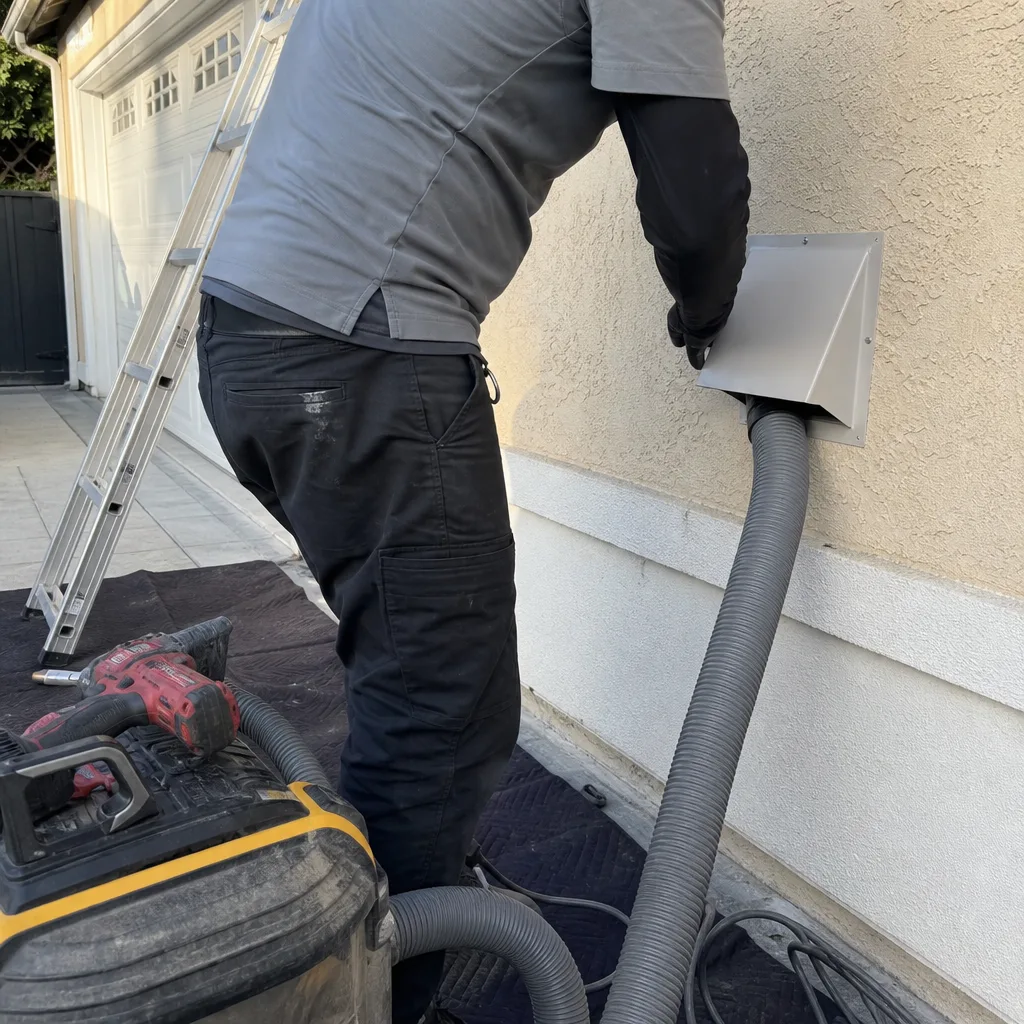
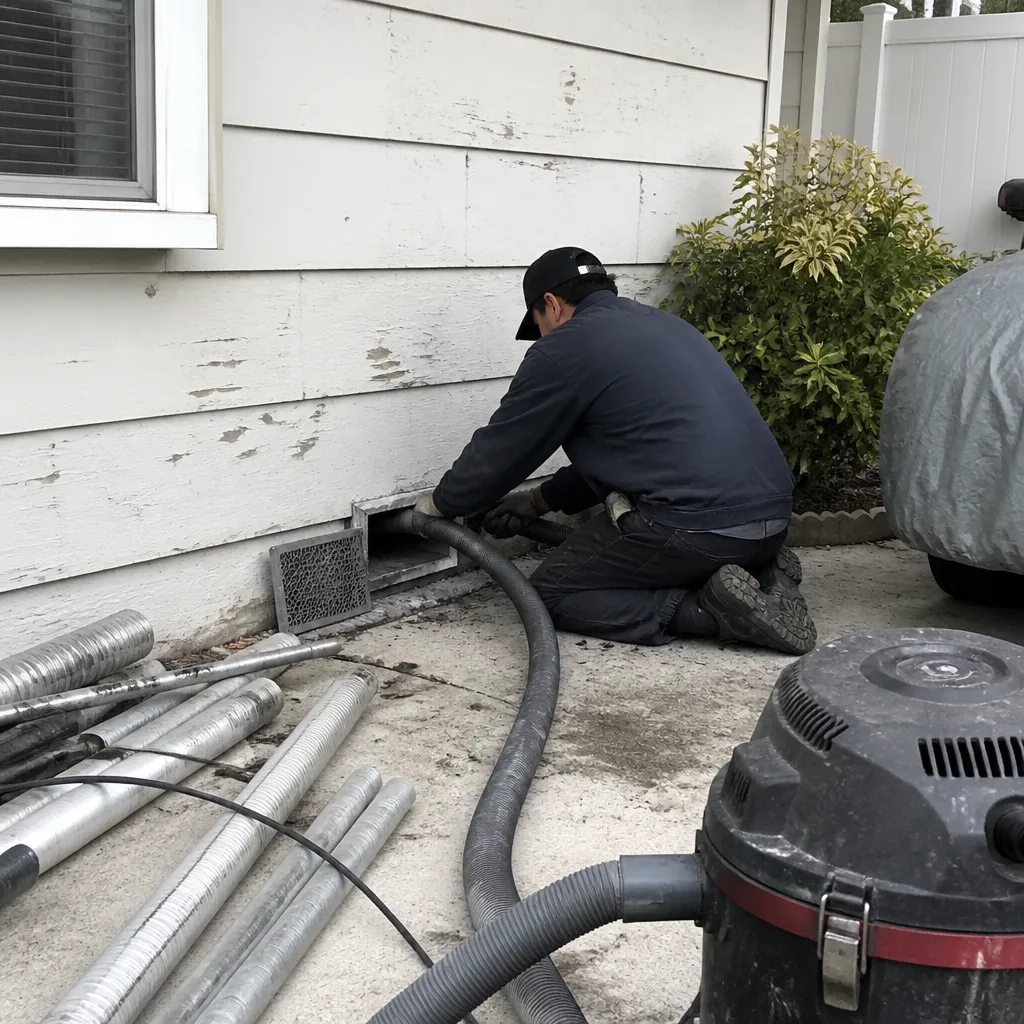
We treat dryer vent cleaning as a safety service, not an add-on. Our Dryer Vent Cleaning in Huntington Beach page walks through the equipment and process we use, which includes running a rotary brush the full length of the vent rather than just vacuuming from the exterior. Monthly homeowner checks catch restrictions early; annual professional cleaning clears what the homeowner cannot reach.
How to Log Duct Condition Over Time
A checklist is only as useful as the record it creates. Checking a register and forgetting what you saw is not maintenance; it is a hobby. The goal is to build a trend line that lets a technician spot deterioration over time, not just a snapshot of whatever the system looks like on the day of a service call. We recommend something simple enough that you will actually do it: a phone note, a spreadsheet, or a small notebook kept near the HVAC unit.
- Date every entry. Use the same day each month, or at minimum the same week. Consistency beats precision.
- Rate each register on a 1-to-3 scale. 1 means clean, 2 means visible dust film inside the boot, 3 means streaking, dark buildup, or moisture staining. Rate the same three registers every time.
- Record the filter change date. This single data point explains most of what you see at the registers. A register that jumps from 1 to 3 within 60 days of a new filter is showing you a filter bypass issue, not a filter loading issue.
- Log indoor humidity whenever it stays above 60% for multiple days. Cross-reference those dates against register condition. The correlation tells you whether you have a moisture problem or a filtration problem.
- Photograph anything you rate a 3. Photos from the same angle, same register, month after month, are more persuasive than any description when a professional is diagnosing a trend.
- Note any event that changes the air quality in the house. Wildfire smoke days, a drywall repair, a remodel, a new pet, a tenant turnover. Each of these is a variable that shows up in the duct contamination timeline.
Bring this log to any professional service visit. A technician who sees six months of register ratings can identify whether contamination is being generated inside the ducts, pulled in from outside, or shed from the return path. That diagnosis changes the recommendation. If the ducts were cleaned two years ago and the log shows a steady climb from 1 to 3 over 24 months, the system is accumulating again and may have a connection defect or a filter mismatch. If the log shows a sudden jump after a single Santa Ana event, the issue may be localized smoke or dust intrusion, not chronic buildup.
Common Mistakes to Avoid
- Treating the filter as the whole system. The filter protects the equipment from large debris. It does not clean the ducts. A clean filter tells you nothing about what is bonded to the duct walls five feet downstream.
- Running the fan constantly during June Gloom without checking humidity. Moving humid air through cool ducts increases condensation. The fix is dehumidification or shorter, intentional fan runtimes, not endless circulation.
- Waiting for a smell to act. By the time a musty odor reaches the living space, the microbial or fungal growth inside the duct is established. Smell is a late-stage signal, not an early warning.
- Using a camera phone flash photo as a substitute for a flashlight inspection. The angle and flash wash out the fine dust film that a direct flashlight beam reveals at a low angle. Use the light, not the camera, for the inspection. Save the camera for documentation after you find something.
- Closing off rooms and vents to save energy. This raises static pressure and forces the system to pull air from wherever it can, including leaks at duct connections. Closed vents do not save money; they create negative pressure zones that accelerate contamination.
- Ignoring the return side. Homeowners obsess over supply registers and never look at the return grille or the return duct. The return is where room air enters the system, and a dirty return grille or a return duct pulling from a garage or crawlspace contaminates everything downstream.
- Hiring the cheapest available duct cleaner and expecting the same result. A $99 whole-house special uses a shop-vac and a spinner brush through one access hole. It does not provide negative-pressure containment, it does not agitate the full duct wall, and it often leaves more debris in the system than it removes. In Huntington Beach’s humid air, half-cleaned ducts re-contaminate faster than untouched ones.
When to Call a Professional
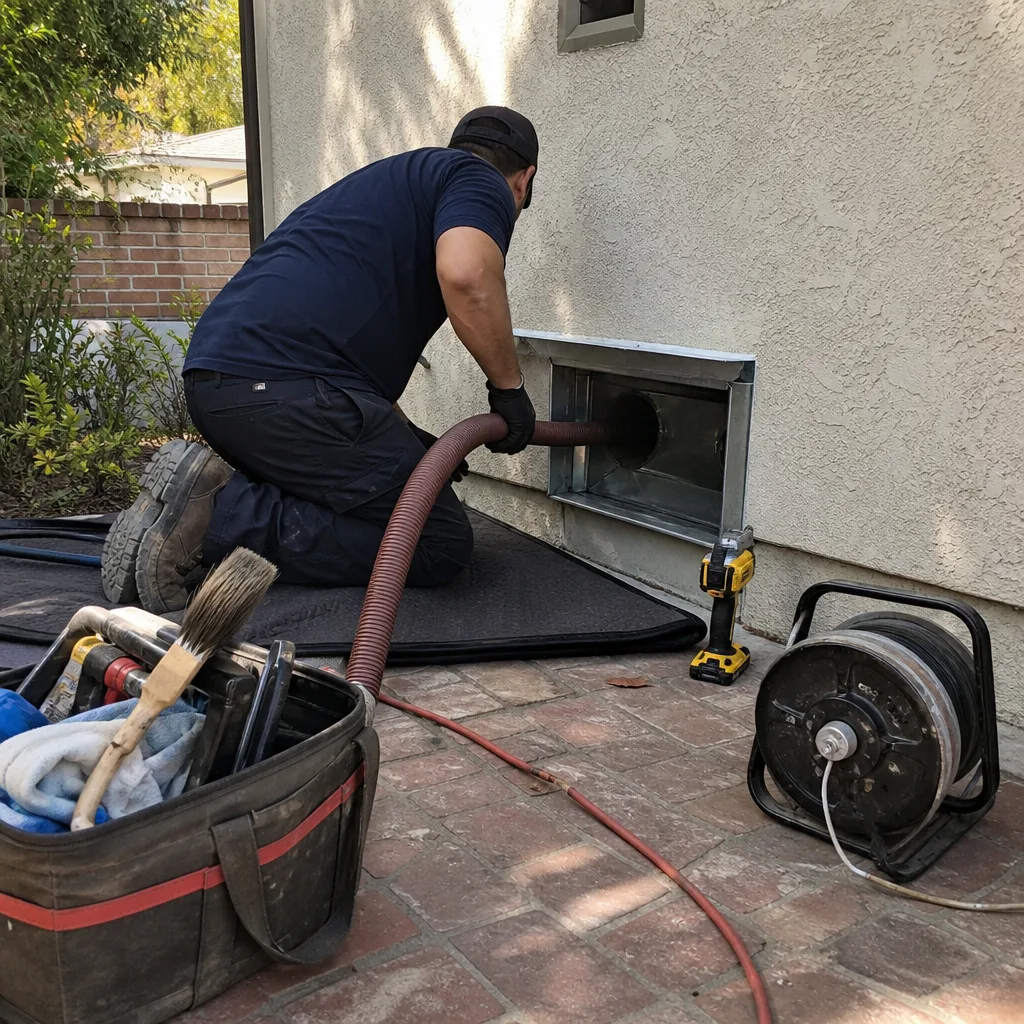
Call a professional when your checklist shows any of the following: a register rating of 3 on two consecutive monthly checks, visible flex-duct separation or peeled tape at a connection point, condensation that appears on register faces every day during June Gloom, a musty odor that returns within 48 hours of venting the house, or smoke soot that smears when touched. Any single one of these is a signal that the duct system needs equipment the homeowner does not have. Our Rotobrush rotary brush system scrubs the full duct wall rather than just the center of the airstream, while Nikro negative-pressure HEPA containment prevents dislodged debris from recirculating through the house. The work is documented with before-and-after photos, and every system repair we find during cleaning is handled by our own crew, not a referral. Platinum Air Duct Cleaning offers free estimates in Huntington Beach. Call (877) 824-2949 to schedule one.
Frequently Asked Questions
Most Huntington Beach homes benefit from professional air duct cleaning every 3 to 5 years, with shorter 2 to 3 year intervals for homes within a mile of the coast, homes with shedding pets, or homes that experienced wildfire smoke events in the last two years. The coastal humidity and fine particulate mix in Huntington Beach causes contamination to bond to duct walls faster than in drier inland Orange County cities, so the interval depends on your specific location and household conditions. Call (877) 824-2949 for an assessment specific to your home, and we will tell you honestly whether cleaning is warranted.
A $99 duct cleaning typically uses a small portable vacuum and a spinning brush inserted through one or two access holes, with no negative-pressure containment and no full-system agitation, which means much of the dislodged debris settles back into the ducts. Professional cleaning uses a high-powered negative-air machine connected at the plenum, rotary brushes that scrub the full duct circumference, and HEPA filtration that captures dislodged particulates before they enter your living space. You cannot see the difference from the register opening, but the before-and-after photos from inside the duct tell the story. Call (877) 824-2949 for a free estimate and we will show you what is actually in your ducts before quoting anything.
You can and should inspect your own air ducts monthly, but you cannot clean them effectively without professional equipment designed to agitate the full duct wall while containing the debris under negative pressure. Consumer vacuums cannot reach beyond two or three feet into a duct run, and attempting to brush a duct from a register opening simply pushes debris deeper into the system. The most valuable homeowner contribution is documentation: the monthly register log and seasonal humidity tracking described above. Call (877) 824-2949 and we will work with the data you have collected to target the cleaning where it is needed.
A musty smell when the AC starts usually indicates moisture and organic matter inside the duct system, often from condensation during June Gloom or from a disconnected duct pulling humid attic air into the system. The odor is strongest at startup because the system is pushing air that has been sitting in the ducts through the room. This is not a smell to mask with air fresheners; the source is inside the duct path and needs to be located and removed. Our Air Duct Cleaning in Huntington Beach service includes the inspection and cleaning needed to eliminate the source, not just the smell.
Air duct cleaning removes the accumulated pollen, dust mite matter, pet dander, and mold spores that recirculate through the system every time the furnace or AC runs, and many Huntington Beach homeowners report significantly reduced allergy symptoms after having heavily contaminated ducts cleaned. The relief depends on how contaminated the system was before cleaning and whether the home has other allergen sources like carpets, bedding, or a dirty return path. A thorough cleaning combined with a higher-MERV filter gives the biggest improvement. Call (877) 824-2949 to talk through your specific situation.
Cleaning both at the same time often makes practical sense because the dryer vent is part of the same air-pathway system and both are accessed with similar rotary-brush equipment, and scheduling them together saves an extra service visit. In Huntington Beach’s compact-lot homes, dryer vent runs are often short but angled, which creates lint collection points that single-service visits sometimes miss. Our Dryer Vent Cleaning in Huntington Beach service uses the same professional-grade equipment philosophy as our duct cleaning, and bundling the two is the most efficient way to address the full system. Call (877) 824-2949 for a combined estimate.
The Bottom Line
A Huntington Beach duct maintenance checklist only works if it matches the weather outside your house, and the weather outside your house is not generic. The coastal calendar drives everything: humidity checks before June Gloom, soot inspections after Santa Anas, and monthly flashlight checks at the same three registers all year. The registers tell you what is happening inside the ducts. The flex-duct connections in the attic tell you why. The filter tells you whether you are preventing contamination or just watching it accumulate. Log what you see, act when the trend turns, and bring your records to a professional when the time comes. Cleaner air starts in the ducts, not the filter, and the maintenance routine in this guide keeps you ahead of the contamination curve instead of reacting to it.
Written by the team at Platinum Air Duct Cleaning, serving Huntington Beach since 2017.
See the difference
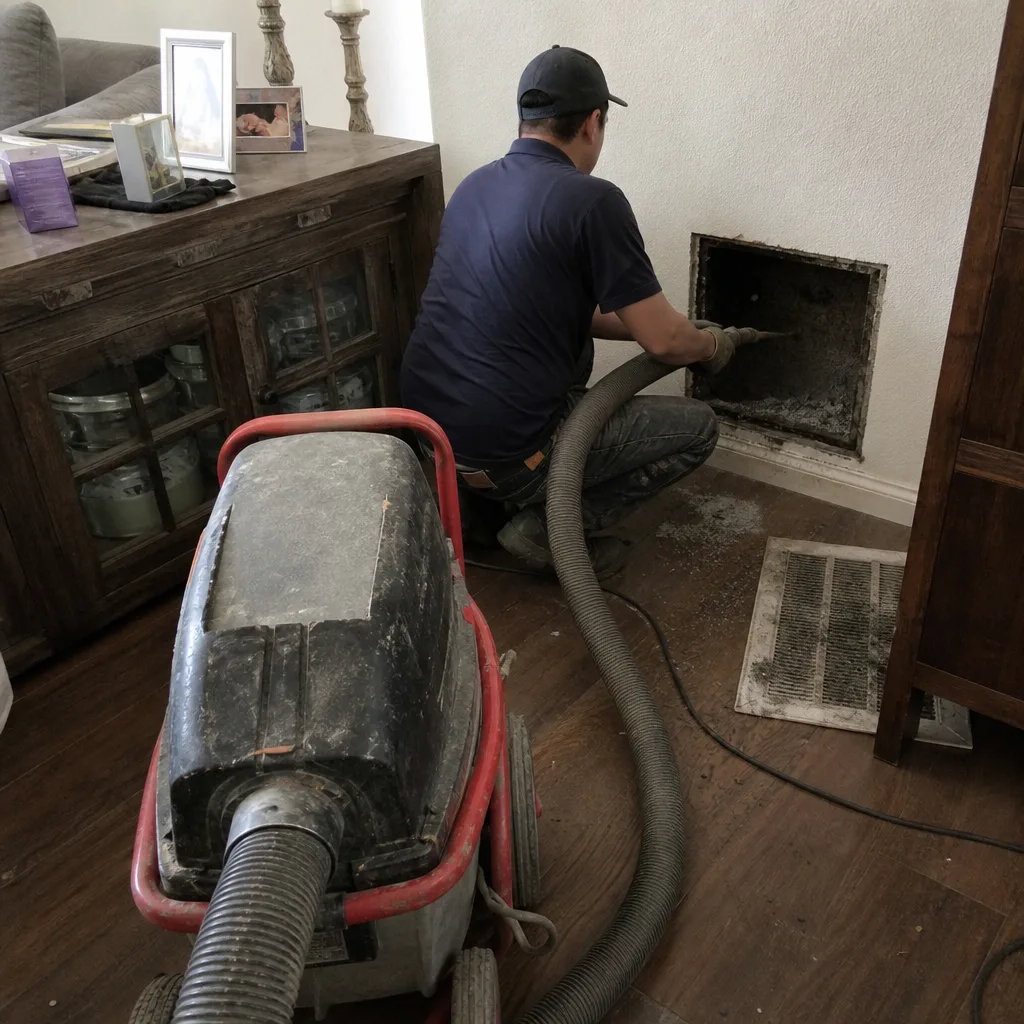 Before
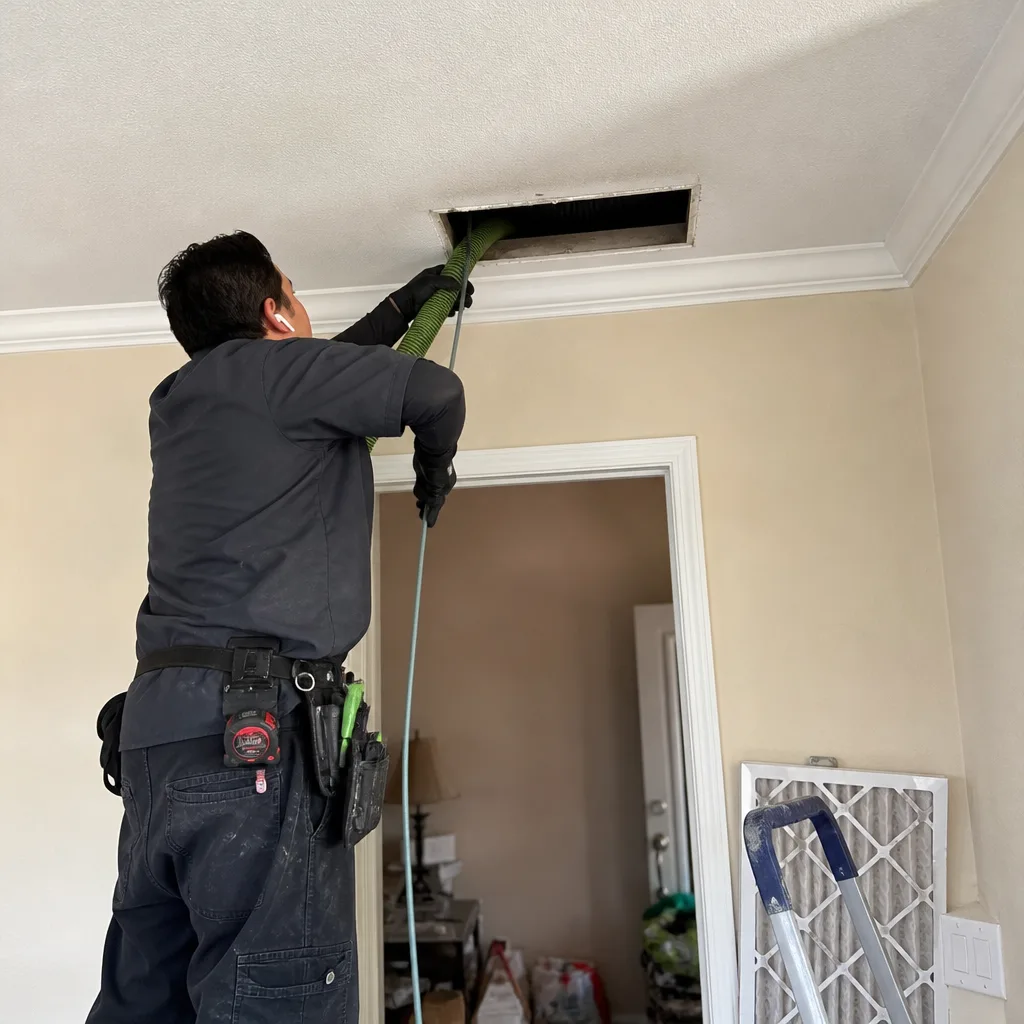 After
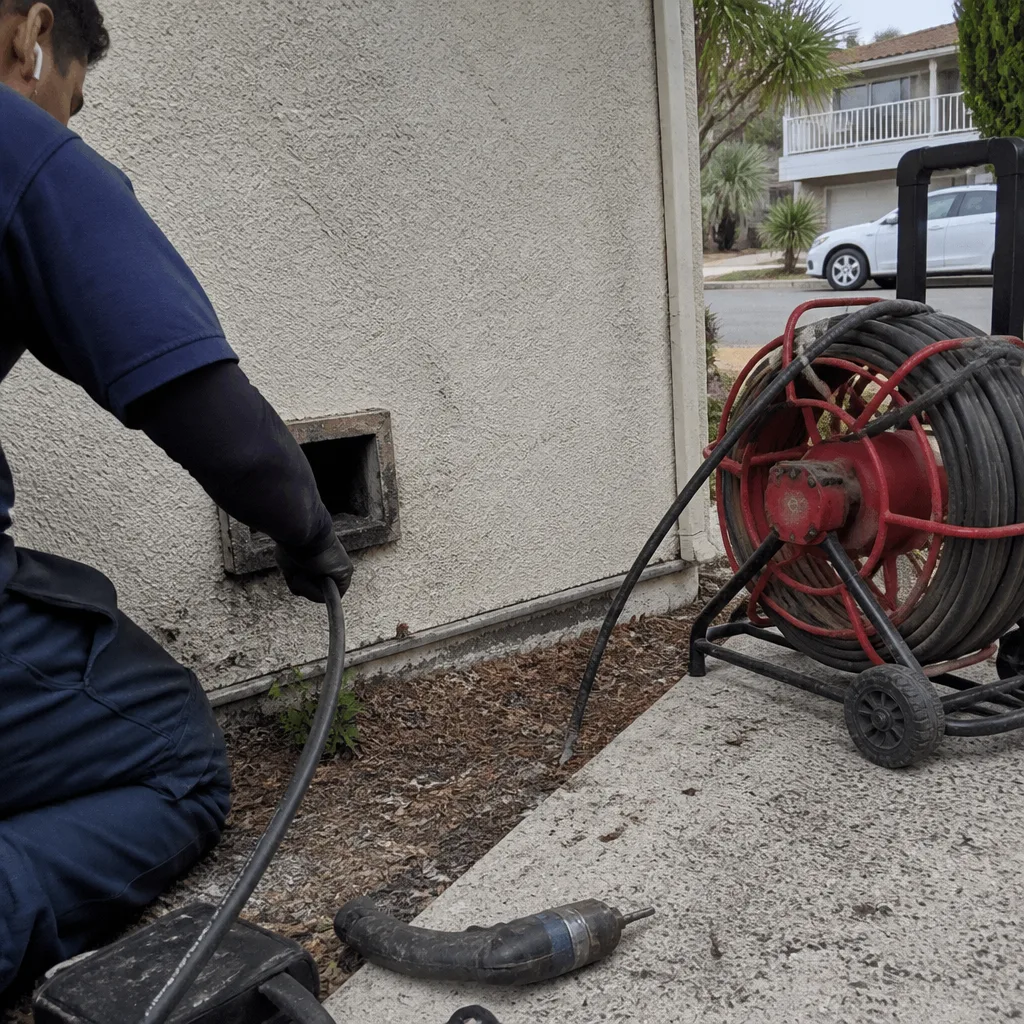 Before
 After
 Before
 After