
Last updated November 2, 2026
 Whole-home duct cleaning
 Dryer vent cleaning
 Camera inspection
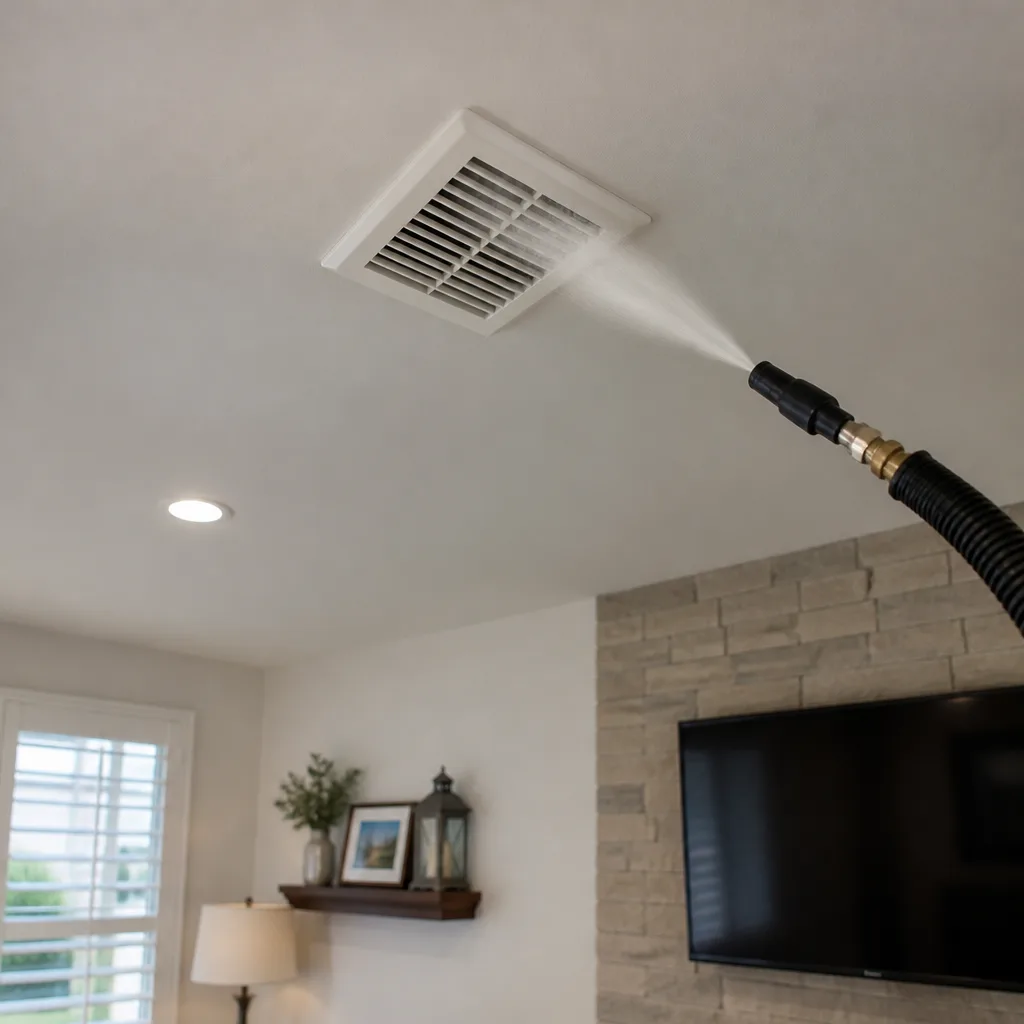 Sanitizing & deodorizing
Whole-system duct and dryer vent check with before-and-after photos - you see exactly what came out of your vents
That "$99 whole-house special" is a bait ad - the real number appears once they are in your hallway, or the "clean" is a shop-vac at the register. We photograph the inside of your ducts before and after instead.
Air Duct Cleaning Troubleshooting: Common Problems and How to Fix Them
Here’s a statistic that surprises most Huntington Beach homeowners: according to the National Air Duct Cleaners Association, the average six-room home circulates roughly 40 pounds of dust through its HVAC system every year. But the real problem isn’t the dust you can see. It’s what happens after a cleaning when symptoms return: the musty smell creeping back in June, the bedroom that’s always eight degrees warmer than the kitchen, the energy bill that climbed even though you just paid for a full-system cleaning. This guide walks through the most common post-cleaning problems, how to tell a cleaning failure from an underlying HVAC issue, and what to document before you call anyone back.
Quick Answer
Most air duct cleaning problems fall into three categories: the cleaning was incomplete (debris left in trunk lines or return drops), an underlying HVAC issue was never addressed (leaking coil, oversized system, disconnected duct), or new contamination entered the system after service (moisture, attic air, or a dirty return path). The fix depends on which category you’re in, and the fastest way to find out is to have a technician test airflow and inspect the components that duct cleaning can and cannot reach.
Styles & brands we work with
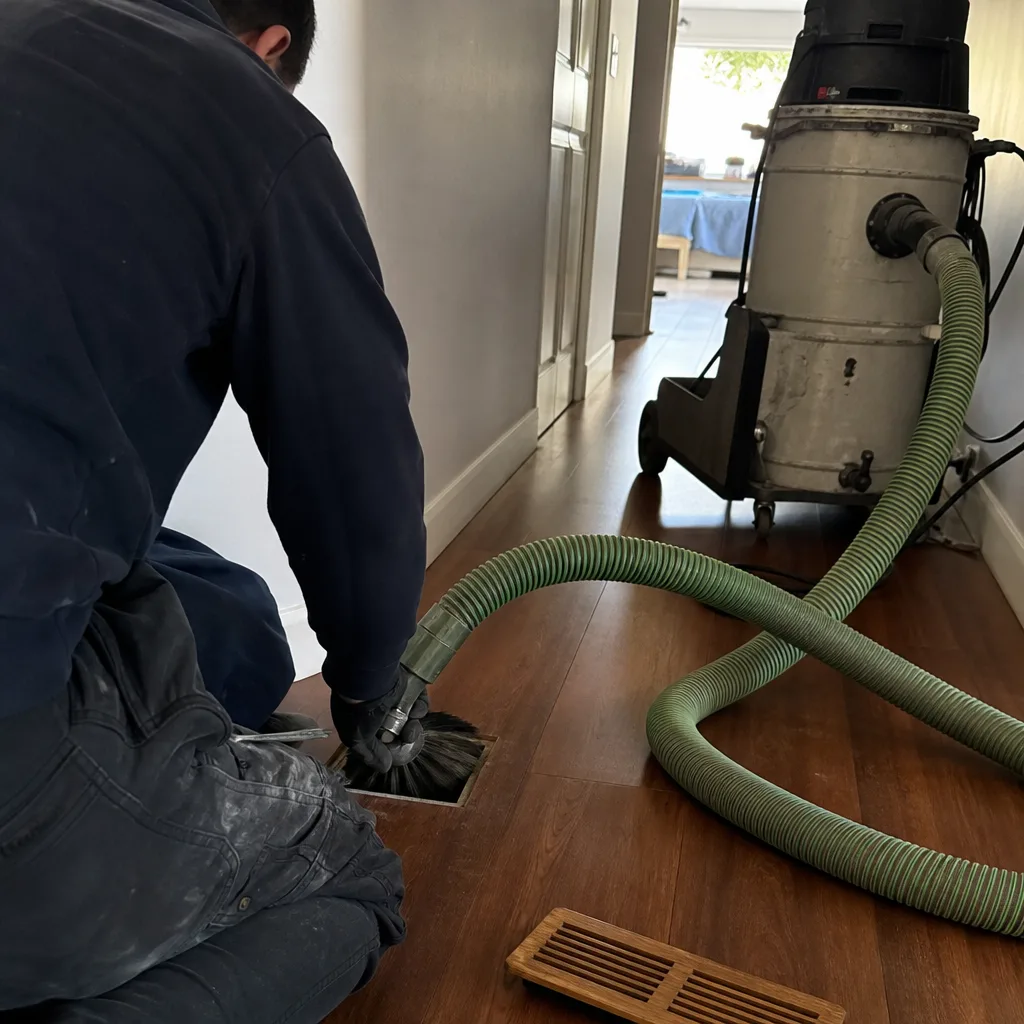
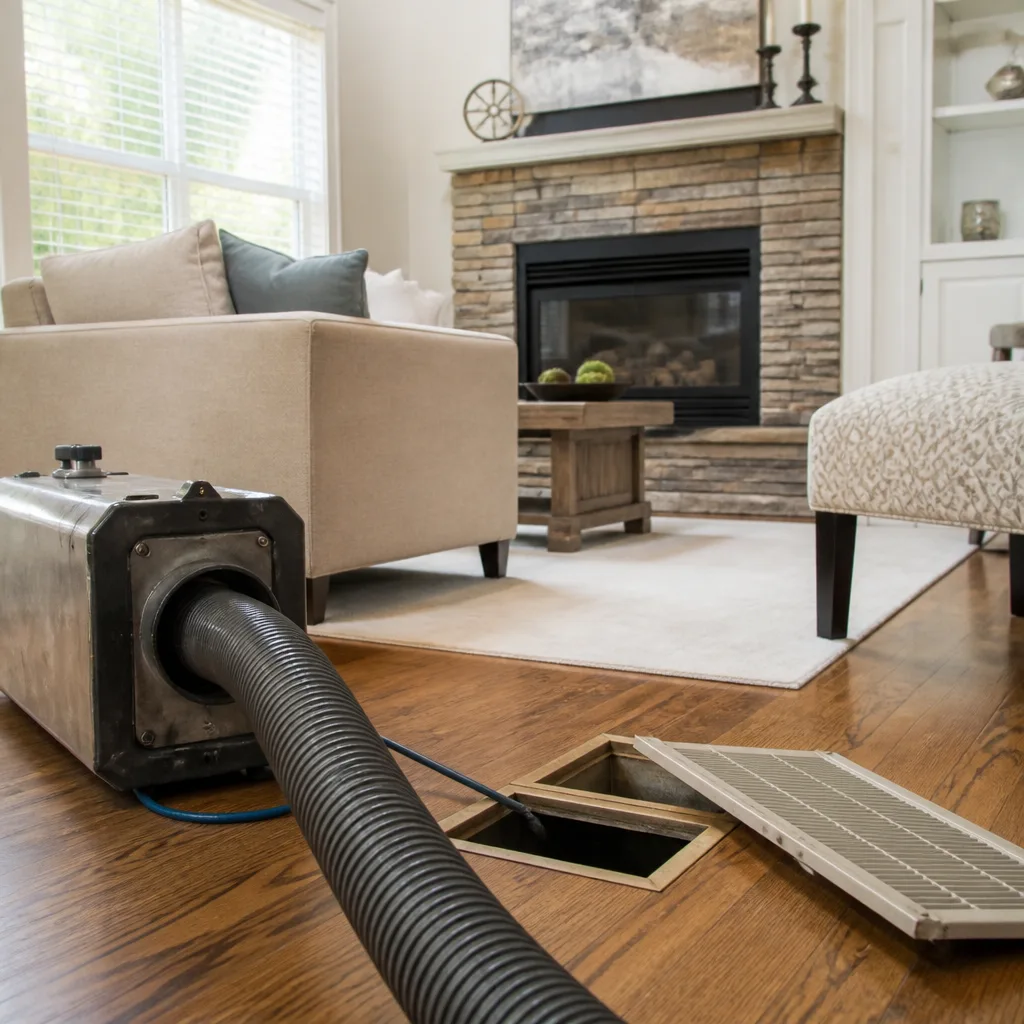
- Whole-home duct cleaning
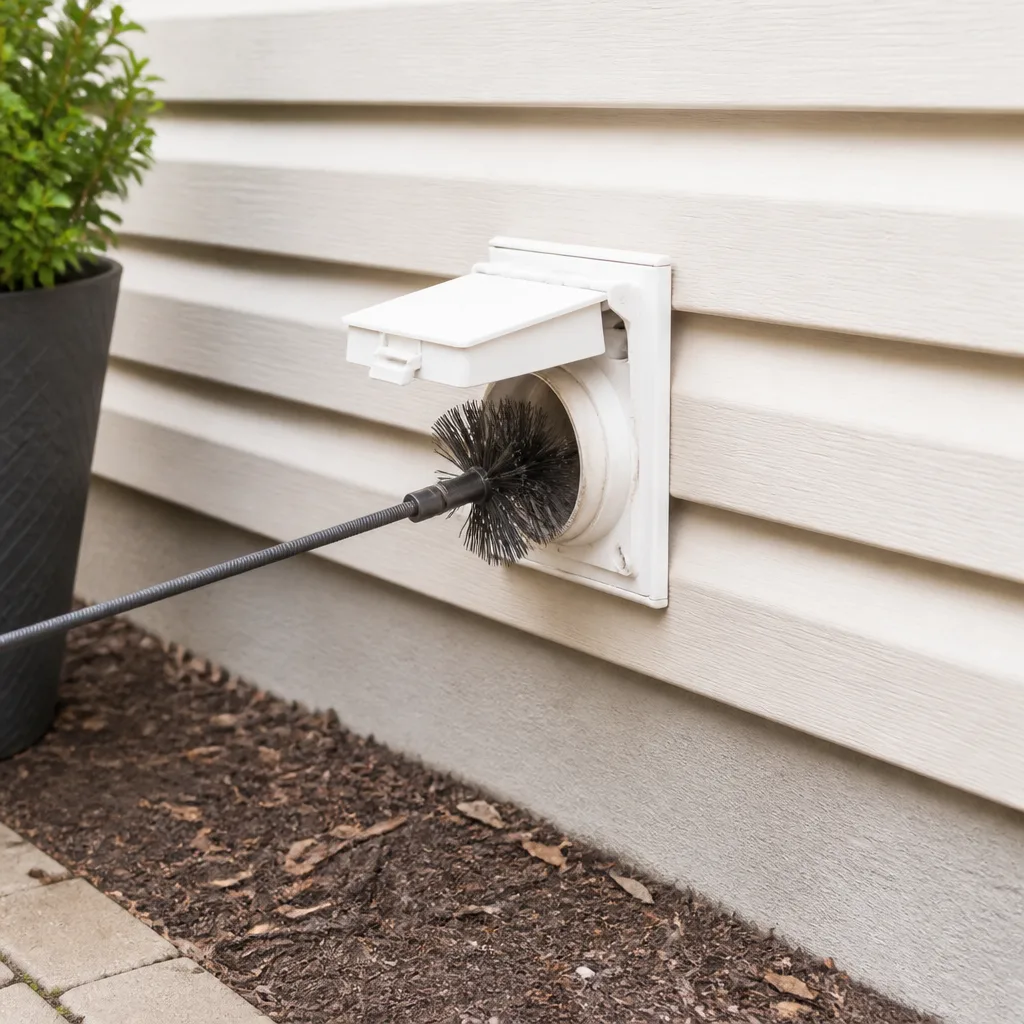
- Dryer vent cleaning
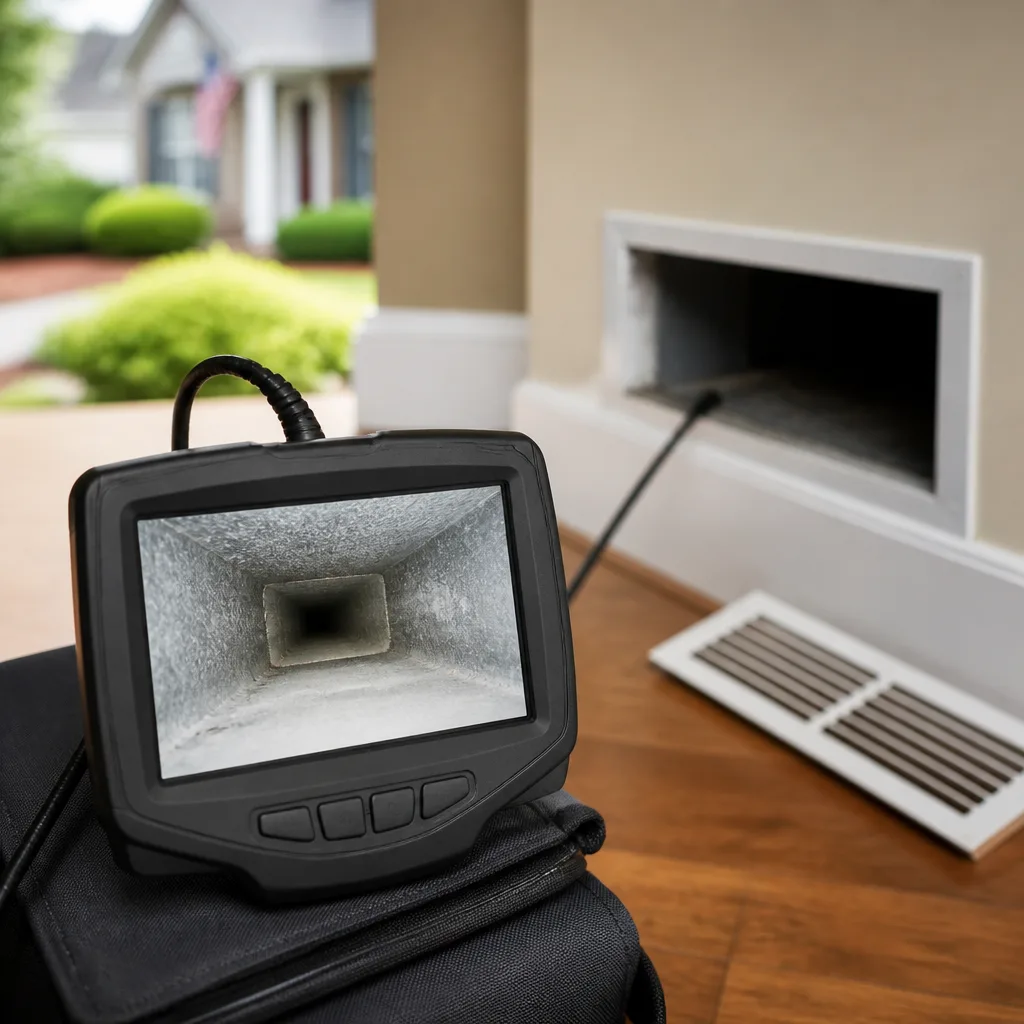
- Camera inspection
- Sanitizing & deodorizing
Table of Contents
- Odor Returning After Duct Cleaning: The Three Most Common Causes
- Uneven Room Temperatures: Duct Leak or Balancing Problem?
- Dust Returning Quickly After Cleaning: What’s Actually Happening
- Noisy System After Cleaning: What Changed and How to Quiet It
- Higher Energy Bills After Cleaning: When Ductwork Is the Culprit
- What to Document Before Calling a Company Back for a Warranty Claim
- Cleaning Failure vs. Underlying HVAC Issue: How to Tell the Difference
- Common Mistakes to Avoid
- When to Call a Professional
Odor Returning After Duct Cleaning: The Three Most Common Causes
If your ducts were cleaned six months ago and the musty smell is back, the cleaning almost certainly wasn’t the problem. The moisture source feeding it was never addressed. In Huntington Beach, where coastal humidity hangs in the air most of the year, we see this pattern constantly: a homeowner pays for a thorough duct cleaning, the smell disappears for a season, and then it returns because condensation is still forming somewhere in the system.
Here’s what’s actually happening, in order of how often we encounter it:
- A dirty evaporator coil was left in place. The coil sits downstream of the filter and upstream of the supply ducts. When your AC runs, condensation forms on the coil. If that coil is coated in dust and biofilm from years of use, every cooling cycle re-wets that organic material and sends a damp, sour odor through the supply registers. Duct cleaning removes what’s in the ducts. It does not clean the coil. A competent technician will inspect the coil during the duct cleaning and tell you whether it needs attention.
- Duct leakage is pulling in attic or crawlspace air. If a return duct has a separation or a poorly sealed joint, the negative pressure created by your blower pulls air from wherever that gap sits. In Huntington Beach attics, that air is hot, humid, and often smells like fiberglass insulation and dust. The smell isn’t coming from the ducts; it’s coming through the leak into the ducts.
- An active moisture source was never found. A small condensate leak, a bathroom exhaust fan venting into the attic, a crawlspace with standing water after rain: any of these can re-contaminate a freshly cleaned system within weeks. Cleaning the ducts without fixing the moisture source is like shampooing a carpet while the roof still leaks.
What you can do before calling a technician: run your AC for 20 minutes, then stand near a supply register and note whether the smell is strongest at startup or after continuous operation. A startup smell that fades usually points to coil or drain pan issues. A constant smell that worsens with the blower running points to duct leakage or an external contamination source. Write down what you observe because it saves a diagnostic visit.
Uneven Room Temperatures: Duct Leak or Balancing Problem?
The room over the garage in a Huntington Beach two-story is often the hottest room in the house. That’s not a coincidence and it’s not something duct cleaning fixes. Uneven room temperatures come from either air loss before it reaches the room or an imbalance in how air is distributed. The two causes require very different solutions.
A duct-sealing problem means conditioned air is escaping through gaps, holes, or disconnected sections before it reaches the target register. In a typical Southern California attic, the ducts in that space are flexible insulated tubes. They sag, they get crushed by boxes, they separate at the collar, and sometimes rodents chew through them. When a 6-inch supply run has a 2-inch separation at the takeoff, you’re paying to cool attic space, and the room at the end of that run never gets enough air.
A balancing problem is different. The ductwork is intact but the system was never set up to deliver the right amount of air to each room based on its heat load. The fix is adjusting damper positions, register openings, or in some cases adding a return in a room that’s positively pressurized. This is an HVAC design issue, not a duct cleanliness issue.
Here’s how to distinguish them:
- Check airflow at the register. Hold a tissue near the supply register in the problem room. If it barely moves while other rooms have strong airflow, you likely have a leak or a restriction in that specific run.
- Check temperature difference at the register. If the air coming out is cold but weak, air is being lost along the path. If the air is strong but not cold enough, the problem is likely at the coil, the refrigerant charge, or the system’s overall capacity.
- Check the return path. A room with no return and a closed door becomes pressurized, which prevents supply air from entering. The fix is a transfer grille or a jump duct, not duct cleaning.
This is where Air Duct Repair in Huntington Beach becomes relevant. If airflow testing confirms a leak, a repair technician can seal it with mastic and foil tape at the source. If the system simply needs rebalancing, that’s a different conversation, and any honest technician will tell you which one you have.
Dust Returning Quickly After Cleaning: What’s Actually Happening
You paid for a full-system cleaning. Three weeks later, there’s a fresh gray film on the television stand. The ducts are already dirty again. Or are they?
In most cases, what you’re seeing is not re-contamination of the ducts. It’s dust that was already in the living space settling after being disturbed. During a proper cleaning, the technician agitates duct walls and extracts debris under negative pressure. But some dust inevitably becomes airborne in the room during setup, register removal, and equipment movement. Within a few days, that dust settles on horizontal surfaces. It looks like the cleaning didn’t work. It actually means the cleaning stirred things up.
There’s a second, more concerning possibility: your return air path is unfiltered. If the filter slot is bypassed, if the filter fits loosely, or if there’s a gap between the filter and the return plenum, unfiltered air is drawn directly into the blower and sent through the supply ducts. No duct cleaning can stay ahead of that. The fix is sealing the filter rack and using a properly sized filter. We install Honeywell media cabinets for exactly this reason: a tight-fitting filter rack that eliminates the bypass gap.
A third cause is duct leakage on the return side. Return ducts are under negative pressure, which means any gap sucks in air from the surrounding space. If that space is a dirty attic, you’re pulling attic dust directly into the system and blowing it through the house. In Huntington Beach homes built before 1990, return ducts are often unsealed at the platform connection, and this single gap can account for more dust than anything inside the ducts themselves.
Noisy System After Cleaning: What Changed and How to Quiet It
Your system was quiet before the cleaning. Now there’s a whistle at the return, a rattle in a supply run, or a thump when the blower cycles off. Something changed during the service, and the cause is usually easy to find if you know what to look for.
The most common culprits, in order:
- A register or grille wasn’t re-seated properly. When the technician removed the supply registers to access the ducts, one may not have gone back in squarely. A slight misalignment at the register creates edge turbulence, which you hear as a whistle. Remove the register, reseat it, and tighten the screws. If it’s damaged, replace it – registers cost less than $20 at any home center.
- Debris broke loose and is rattling in the duct. During agitation, a chunk of old duct board, a piece of drywall from original construction, or a child’s toy dislodged and is now riding the airstream. The rattle often comes and goes with blower speed and is located by tracing the sound to a specific run.
- Flex duct was compressed or kinked during the service. A technician moving through an attic or crawlspace can accidentally crimp a flexible duct, restricting airflow and creating a whistle or hiss at the nearest register. The fix is a trip back into the attic to straighten the run.
- Access panels weren’t fully resealed. If the technician cut or opened an access panel to reach the coil or the plenum, the panel may now have a slight gap. The blower’s negative pressure creates a whistle at the seam. Resealing with foil tape or ensuring the panel is flush resolves it.
None of these indicate a serious problem, and all are correctable. But they’re also the kind of item that separates a professional who stands behind the work from a company that won’t return your call. Before you reach out, note which register or area the sound comes from, whether it changes with blower speed, and whether it’s constant or intermittent. That information shortens the follow-up visit dramatically.
Higher Energy Bills After Cleaning: When Ductwork Is the Culprit
A properly performed duct cleaning should not raise your energy bill. In theory, cleaner coils and unrestricted airflow improve efficiency. So when a Huntington Beach homeowner sees their Southern California Edison bill climb after a cleaning, something else is going on. Usually one of three things.
First, the season changed. If you had ducts cleaned in May and your bill went up in July, that’s the summer cooling load, not the cleaning. We mention this because it’s the most common explanation and the least satisfying one. Before you blame the ducts, compare your bill to the same month last year, adjusted for rate changes.
Second, the cleaning dislodged debris that’s now blocking a filter or a coil. During agitation, a mass of dust can break free from the return side and be pushed downstream. If your filter was already dirty, the sudden load can clog it within days. A clogged filter increases static pressure, which makes the blower work harder and the system less efficient. Check your filter first. If it’s thick with new debris, replace it and check again in two weeks. If it’s clogged again that fast, there’s a large debris load still moving through the system, and a follow-up inspection is warranted.
Third, the cleaning exposed an airflow problem that was always there. Duct leakage doesn’t always reduce efficiency in a way homeowners notice. But once the ducts are clean, a leaky supply run is now leaking clean air, and the system runs longer to satisfy the thermostat because it’s still losing 20 or 30 percent of its output into the attic. We use flow hoods and pressure readings to find this. If your system’s static pressure is high and the ductwork tests positive for leakage, a duct sealing job will do more for your energy bill than any cleaning ever could.
If you’re keeping records (and you should), note your bill before and after the work, and check the filter. That data tells a technician more than the complaint alone.
What to Document Before Calling a Company Back for a Warranty Claim
If you believe a duct cleaning was performed poorly and you plan to call the company to make it right, your claim succeeds or fails on documentation. The companies that stand behind their work respond to specifics. The companies that don’t will look for any ambiguity, and a vague complaint is easy to dismiss.
Here’s what to have ready before you make the call:
- Photos of the work, not just the problem. Ask the technician during any future cleaning to photograph key sections before and after: the return plenum, a representative supply run, the coil if accessible. If the company uses inspection cameras, request those images be included in the report. A photo of a clean duct with a date stamp is evidence. A description of a clean duct is hearsay.
- Written description of the specific complaint. “The upstairs bedroom still gets dusty” is weaker than “The supply register in the northeast bedroom delivers weak airflow compared to the hallway register, and I measured a 12-degree temperature difference at the register on August 14.” Specifics force a specific response.
- Your billing records. The invoice, the date of service, the name of the technician, and any notes from the initial walkthrough. If the company provided a scope of work, compare what was promised to what was delivered. If the scope listed “clean all supply and return runs” and you later discovered a return run that was sealed off or unreachable, that’s a contractual gap.
- Any post-cleaning test results. If you had another company inspect the work, ask for written findings. In Huntington Beach, a diagnostic visit from a company that uses Abatement Technologies or equivalent commercial filtration equipment can confirm whether negative pressure was achieved during the original service and whether visible debris remains in the system.
A note on what a cleaning cannot fix: a duct cleaning will not remove mold embedded in the evaporator coil, seal a leaking plenum, or balance an improperly designed system. If a company’s warranty covers cleaning but the problem was never a cleaning problem, no amount of documentation converts one into the other. The most useful thing you can document is the distinction between what was cleaned and what wasn’t inspected.
Cleaning Failure vs. Underlying HVAC Issue: How to Tell the Difference
The single most important distinction in air duct troubleshooting is the one between a cleaning that was done poorly and an HVAC problem that no cleaning would have solved. They produce identical symptoms: musty smells, dusty rooms, uneven temperatures, noisy airflow. But the fixes are completely different, and paying for another cleaning when you need a repair is wasted money.
Here’s how to think about it:
- When the symptom is odor and it started after cleaning, suspect the coil. The evaporator coil is the single most common source of recurring musty odor in coastal climates like Huntington Beach. The coil is not part of the duct system. A company that cleans ducts and never mentions the coil’s condition left a job half done. A company that inspects the coil and tells you it’s dirty is giving you the actual diagnosis.
- When the symptom is dust and it’s everywhere, suspect the return path. A properly sealed return system with a correctly fitted filter should capture the vast majority of airborne dust before it reaches the blower. If dust returns within weeks of a cleaning, test the return side. A gap at the filter rack, a leaky return plenum, or a disconnected return run will reintroduce dust faster than any cleaning can remove it.
- When the symptom is uneven temperatures, suspect leakage or design. A duct cleaning can improve airflow by removing obstructions, but it cannot seal a separation or fix a fundamentally unbalanced distribution system. If one room has always been too hot or too cold and the cleaning didn’t change it, the problem was never debris.
- When the symptom is a loud system, suspect something physical shifted. The cleaning process involves moving through attic spaces and crawlspaces, removing registers, and working around ductwork. A tech who isn’t careful can knock a flex run off a collar, crack a boot, or leave an access door ajar. These are service-induced problems, and the company should correct them at no charge.
In our experience working on Air Duct Cleaning in Huntington Beach, the homes that need a second visit usually fall into one of two categories: the first company didn’t use professional-grade equipment and left half the system untouched, or the first company did a competent cleaning but never addressed the coil, the leakage, or the return path. Knowing which category you’re in tells you whether to demand a re-clean or schedule a duct repair.
Common Mistakes to Avoid
- Assuming the cleaning failed because the symptom returned. In Huntington Beach’s humid climate, the evaporator coil and duct leakage are more common causes of recurring problems than incomplete cleaning. Before you demand a re-clean, rule out the components a cleaning can’t touch.
- Comparing only price when evaluating follow-up work. A $99 whole-house duct cleaning means someone spent about an hour in your attic with a low-powered system. A proper cleaning with a Rotobrush system and Nikro negative-pressure vacuum takes hours. If your first cleaning was cheap and your second needs to actually work, price is not the deciding factor.
- Not checking the filter after a cleaning, especially within the first two weeks. A suddenly clogged filter is the earliest signal that debris is still moving through the system. Catching it early prevents it from reaching the coil.
- Calling the warranty line before documenting the problem. A specific complaint with photos and measurements gets a faster response than “it’s still dusty.” Do the homework first.
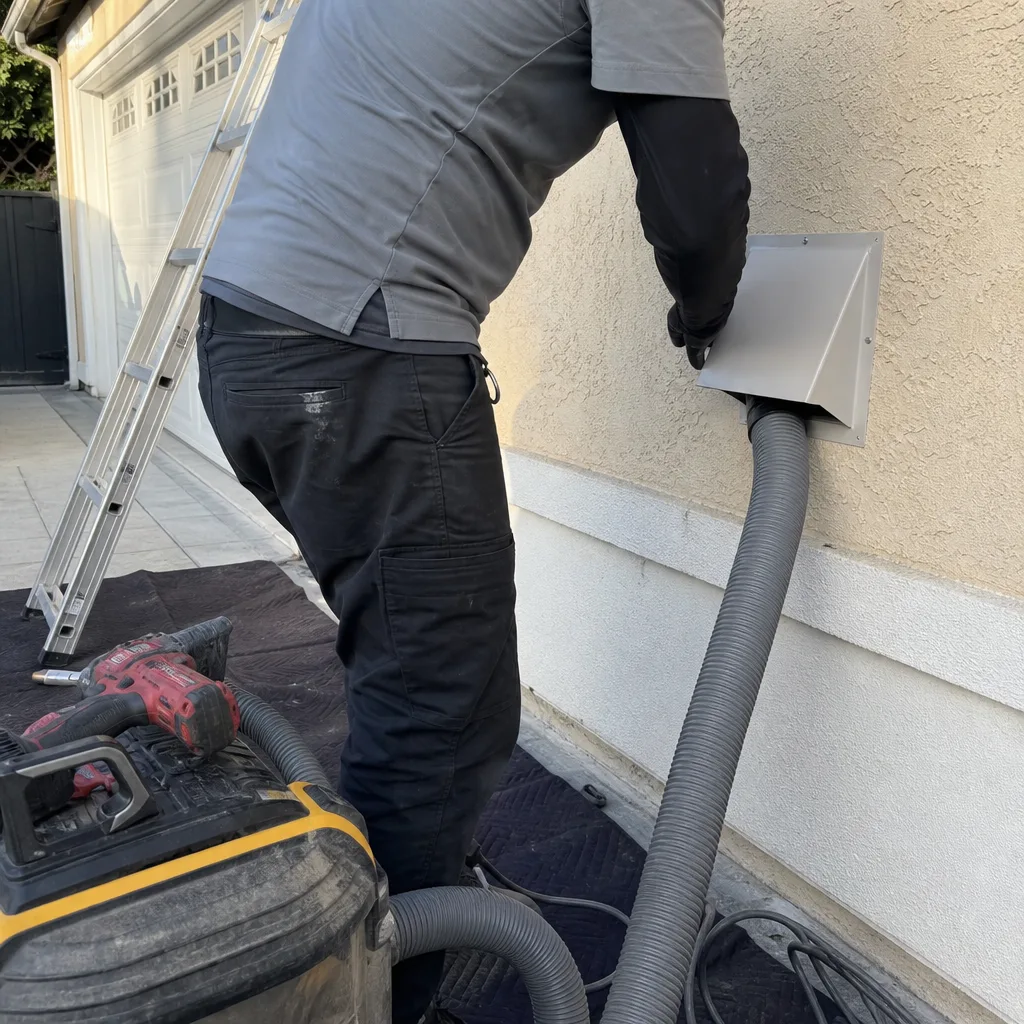
- Ignoring the dryer vent while troubleshooting the ducts. The dryer vent is a separate system with its own failure modes, and a clogged one is a fire hazard. If you’re already working through the house’s air systems, the Dryer Vent Cleaning in Huntington Beach conversation should happen too.
- Expecting duct cleaning to solve a mold problem. If visible mold is present on the coil, in the drain pan, or on duct surfaces, that’s a moisture and remediation issue. Cleaning without addressing the moisture sows the seeds for the same problem months later.
When to Call a Professional
Some problems you can solve from the register side: reseating a loose grille, replacing a clogged filter, straightening a kinked flex run you can reach. Others require tools and access you don’t have. If you suspect duct leakage, coil contamination, return path gaps, or you’re dealing with a recurring odor that won’t resolve, stop guessing and get a diagnosis. The information in this guide tells you what to ask and how to document, but identifying a leak at the plenum connection or confirming negative pressure during a previous service requires a techician with the right equipment, and in most Huntington Beach attics, that means a proper inspection camera and a pressure gauge.
Platinum Air Duct Cleaning offers free estimates in Huntington Beach – call (877) 824-2949 to schedule an inspection. We’ll identify whether the problem is in the ducts, the coil, or the return path, and we’ll tell you what we’d do about it. If the issue is something we can’t fix with a cleaning or a repair, we’ll say so plainly. That’s the point of the equipment and the inspection: a straight answer, not another service call.
See the difference
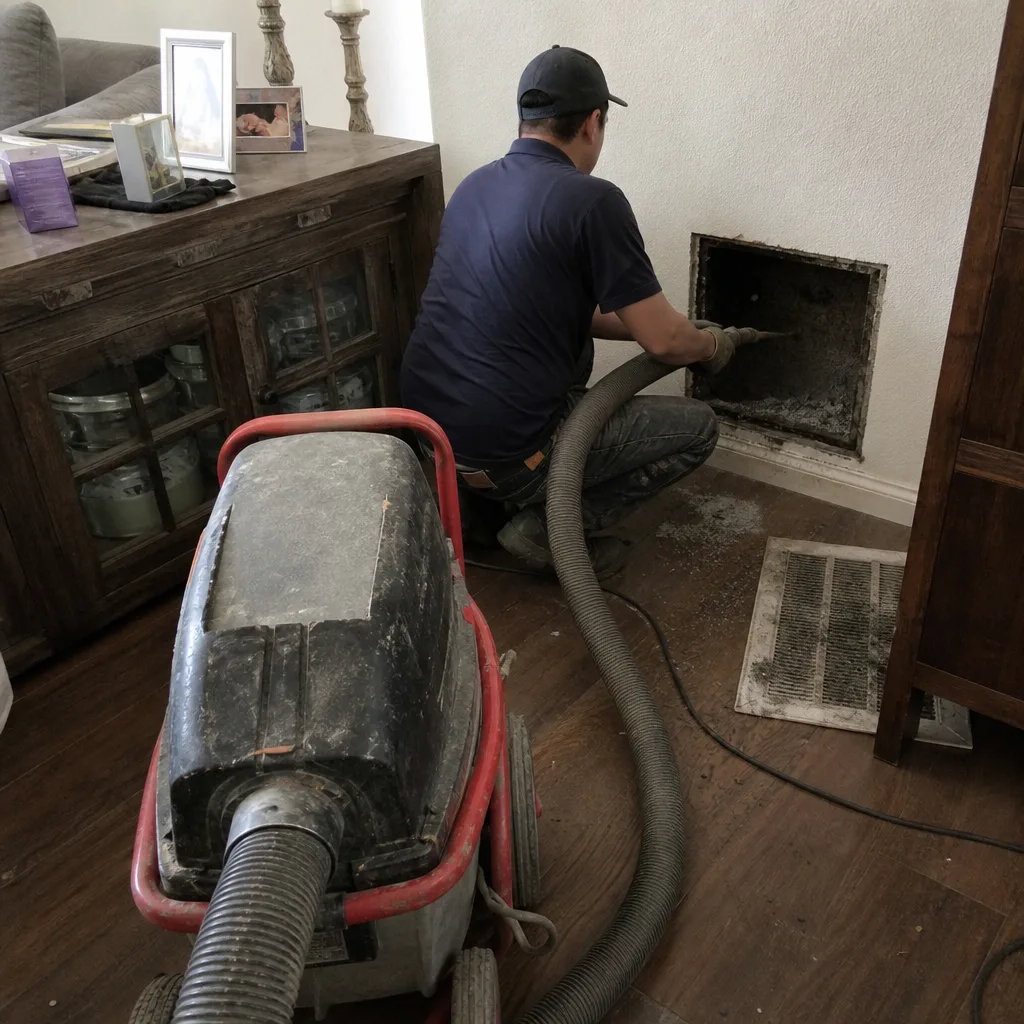 Before
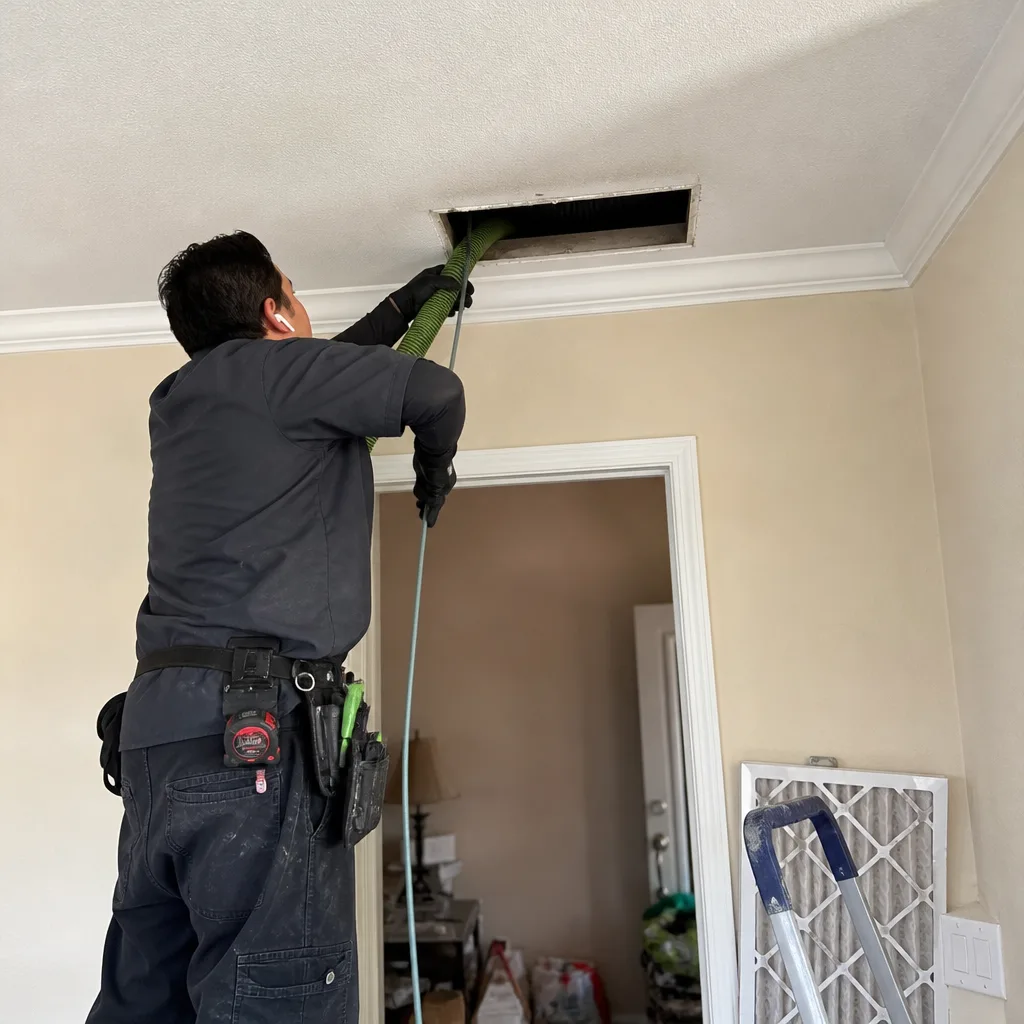 After
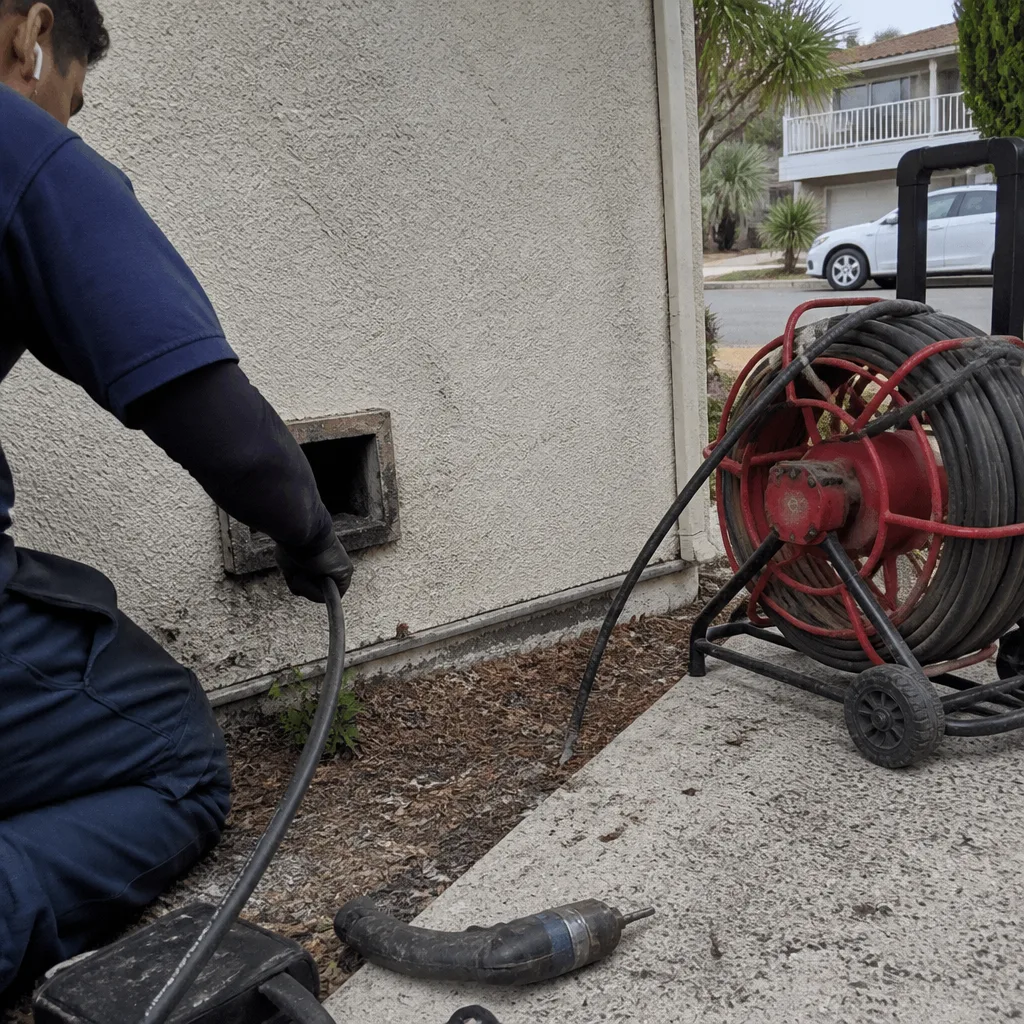 Before
 After
 Before
 After
Frequently Asked Questions
A full-system air duct cleaning in Huntington Beach typically ranges from $350 to $650 for an average single-family home, depending on the number of systems, the accessibility of the ducts, and whether the coil or return plenum needs additional attention. The low end of that range makes sense for a simple single-story with accessible ductwork. Larger homes, older systems, and jobs that include dryer vent cleaning or duct repair will push higher. Call (877) 824-2949 for an exact quote for your system, because the only honest answer is the one based on your home’s actual layout.
Cheap quotes usually mean one of three things: the company is using a low-powered system that can’t effectively agitate and extract debris from duct walls, the service is limited to a short window that makes a thorough cleaning impossible, or the price is a teaser that will be inflated after the tech arrives. We use Rotobrush and Nikro professional systems and Abatement Technologies HEPA filtration, and the work takes the time it takes. A company quoting $99 for a full system is not doing the same job as a technician who spends hours with professional-grade equipment.
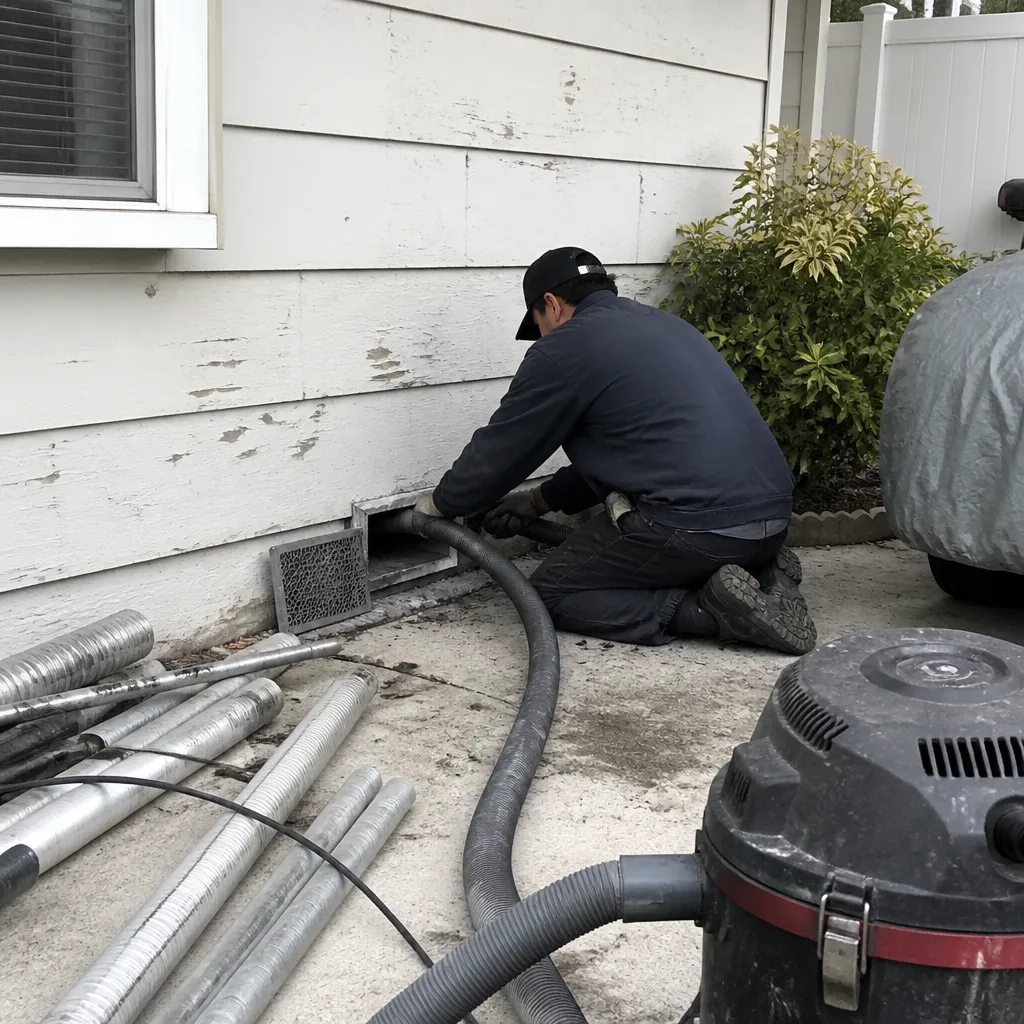
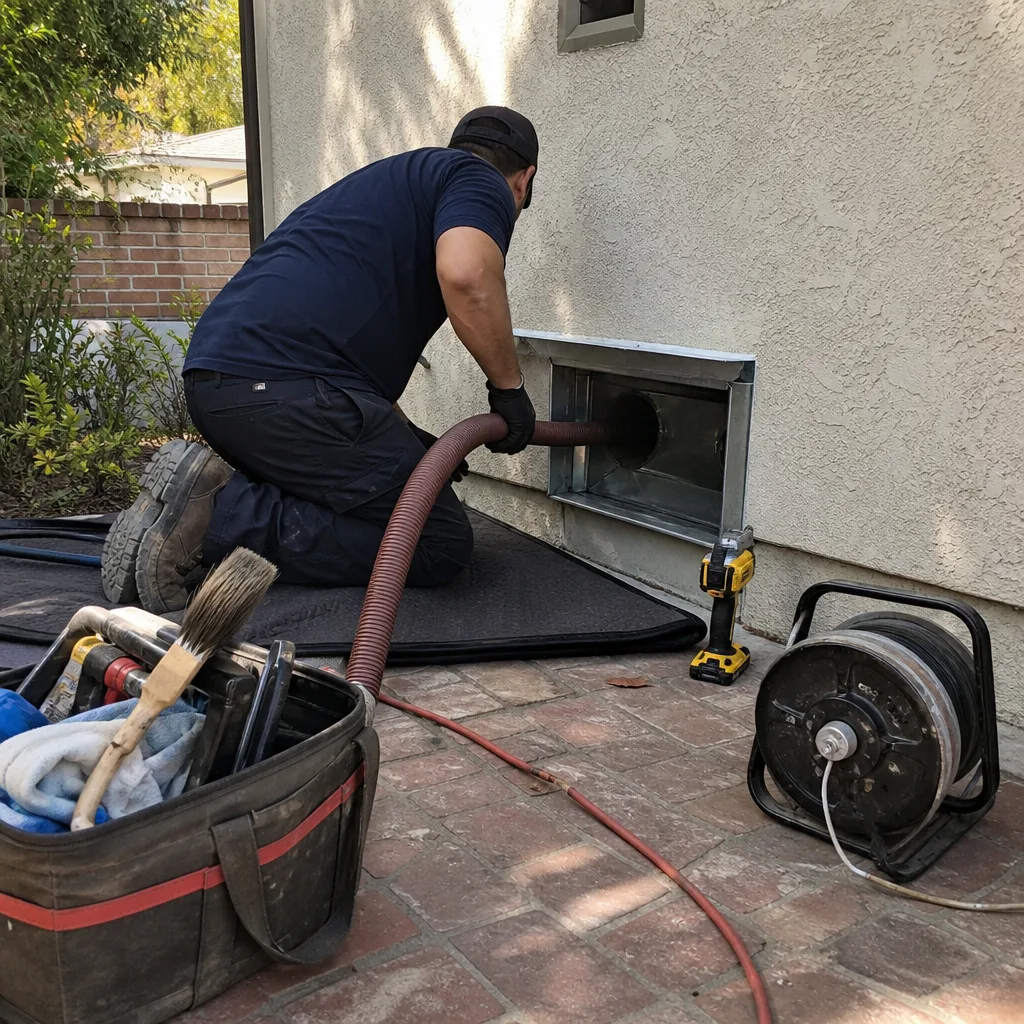
Ask for before-and-after inspection photos of your ducts, particularly the return plenum, a representative supply run, and the coil if it was part of the scope. A company that uses inspection cameras should provide those images as part of the service record. You can also ask about negative pressure: a proper cleaning maintains negative pressure with a HEPA vacuum system so that dislodged debris is captured rather than blown into the living space. If the company can’t explain its process or won’t provide photos, that tells you something.
From the Platinum Air Duct Cleaning home page, you can see the equipment we use and the scope we cover.
The National Air Duct Cleaners Association recommends cleaning every three to five years, but coastal homes in Huntington Beach with the windows open much of the year, pets indoors, or allergy sufferers in the household may benefit from more frequent service. If you’ve just moved into a newly constructed or renovated home, construction debris in the ducts is common and warrants an immediate cleaning. The best interval for your home depends on how fast debris accumulates, which a good technician can assess during the first cleaning.
Dirty ducts circulate whatever is in them: dust, pet dander, pollen, and in some cases mold spores from a contaminated coil. For allergy sufferers, asthmatics, and people with respiratory conditions, that circulation can make symptoms worse. The ducts themselves are rarely the source of contamination; they’re the delivery system. If the coil is dirty or the return path is pulling from a contaminated attic, those contaminants get distributed through the home. That’s why we address the entire air pathway rather than cleaning ducts in isolation.
They’re separate systems that often get treated as an afterthought. Your dryer vent carries hot, lint-laden air out of the home, and when it clogs, the result is reduced dryer efficiency and a genuine fire hazard. Lint is highly flammable and accumulates quickly in a vent with even a slight bend or sag. We treat dryer vent cleaning as its own service because it requires different tools and a different inspection than duct cleaning, but most Huntington Beach homeowners benefit from having both done in the same service window. You can learn more on our dryer vent cleaning page.
The Bottom Line
Air duct cleaning problems are rarely as simple as “the cleaning didn’t work.” The symptom was real, but the cause is usually somewhere else: a dirty coil no one inspected, a return leak no one sealed, a design flaw no one flagged. A competent technician can tell the difference in one diagnostic visit, and a competent company will document the work well enough that you never have to guess. If you’re in Huntington Beach and you’re dealing with a recurring problem after a cleaning, get it diagnosed rather than re-cleaned. The fix is usually cheaper than you fear and more specific than you expect.
Written by the team at Platinum Air Duct Cleaning, serving Huntington Beach since 2017.